
Mechatronics Technician: One of the Fastest Growing Career Paths in Wisconsin
Most people have never heard of this job, but it may be one of the smartest career paths for young adults who want strong income, hands-on work, and a future in advanced manufacturing without taking on massive student loan debt.
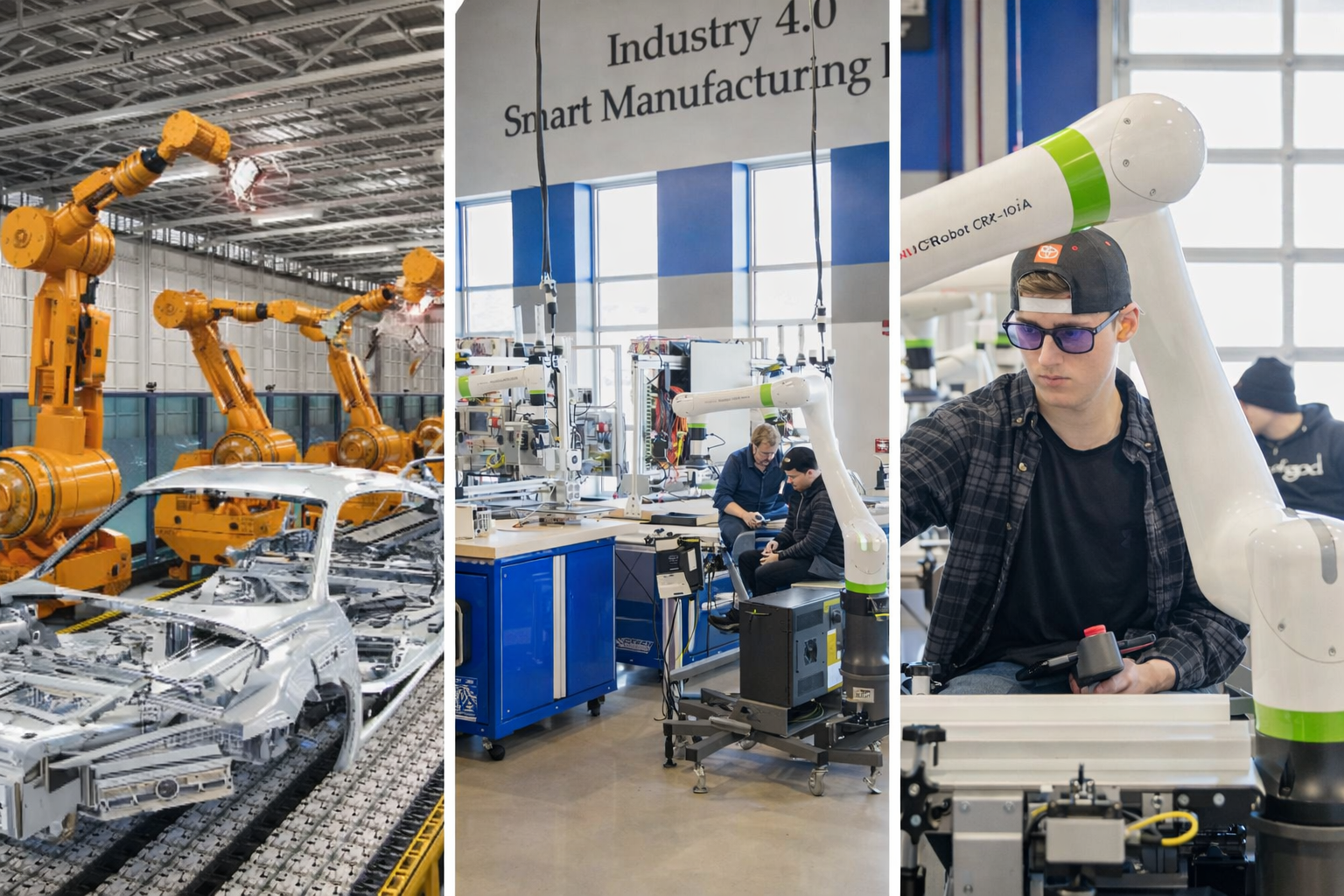
Modern mechatronics combines robotics, automation, electrical systems, troubleshooting, and real-world manufacturing skills.
What Is a Mechatronics Technician?
A Mechatronics Technician works where mechanical systems, electrical systems, and automation all come together.
That means this role may involve robots, conveyor systems, sensors, motors, control panels, pneumatic systems, and production equipment that keeps a factory running.
Why This Career Is Growing So Fast
Wisconsin has a strong manufacturing base, and modern manufacturing is becoming more automated every year.
Factories are investing in robotics, smart systems, and production technology, but those systems still need people who can install, maintain, troubleshoot, and repair them.
What Kind of Work Do You Actually Do?
This is not just one narrow task. It is a broad technical role built around solving real production problems.
- Troubleshoot electrical and mechanical equipment
- Work with sensors, motors, relays, and drives
- Help maintain robotic or automated systems
- Read schematics and technical diagrams
- Support PLC and control system troubleshooting
- Reduce downtime on production lines
What Skills Do You Learn?
Mechatronics is valuable because it combines multiple skill sets instead of locking someone into just one narrow trade.
| Skill Area | What It Includes | Why It Matters |
|---|---|---|
| Electrical | Wiring, motors, relays, controls | Keeps equipment powered and functioning |
| Mechanical | Bearings, belts, gears, repairs | Helps fix moving systems and machinery |
| Automation | Sensors, robotics, control logic | Supports modern smart manufacturing |
| Troubleshooting | Diagnosing faults quickly | Reduces downtime and saves money |
| PLC / Controls | Industrial logic and system behavior | Leads to higher-value technical roles |
What Does the Pay Look Like?
One reason this path deserves more attention is because the earning potential can get strong without requiring a traditional four-year degree.
| Career Stage | Typical Pay Range | What Changes the Pay |
|---|---|---|
| Entry-level / trainee | $20-$25/hr | Basic maintenance and technical exposure |
| Mid-level technician | $30-$40/hr | Stronger troubleshooting and system knowledge |
| Advanced controls / PLC | $45-$60+/hr | Automation, controls, and high-value technical skill |
How Do People Get Into This Field?
There is no single path, but most people get there through technical education, apprenticeship-style training, or direct industrial experience.
A common path is to start in industrial maintenance, learn how equipment works, and then move deeper into automation, robotics, and control systems.
Wisconsin Routes to Get Started
If someone in Wisconsin wants to move toward this path, the most realistic move is not to wait around and “figure it out someday.” It is to start with a nearby technical program, apprenticeship route, or entry-level industrial role and build from there.
| Route | Example | Why It Matters |
|---|---|---|
| Registered Apprenticeship | Wisconsin DWD Mechatronics Technician Apprenticeship | Earn while you learn with structured job training and classroom instruction |
| Technical College | Madison College, Fox Valley Technical College, MATC | Build hands-on skills in electromechanical systems, automation, robotics, and controls |
| Youth Apprenticeship | Manufacturing pathways such as Electromechanical / Mechatronics | Good early on-ramp for students who want real exposure before full-time work |
| Direct Entry Job | Industrial Maintenance Helper, Maintenance Technician Trainee, Production Maintenance | Gets you into the environment early and builds experience faster |
Why This May Be a Better Fit Than Many People Realize
A lot of students are pushed toward college without being shown career paths like this.
But this type of work offers a real mix of:
- Hands-on problem solving
- Useful technical skill
- Strong demand in Wisconsin
- A path to good income without large debt
For the right person, that can be a far better tradeoff than spending years in school with no clear return.
Who Is This Career Best For?
This path is a strong fit for people who like practical work, systems, machines, and figuring out why something is not working.
It is usually a better fit for someone who wants to build real technical ability than for someone looking for an easy, passive, or low-effort career path.
Final Thought
Mechatronics is one of those careers that many young people are not told about early enough.
But it combines strong demand, technical growth, and real earning potential in a state where manufacturing still matters.
If more students understood paths like this earlier, many would realize they have more options than just college debt or low-wage work.