
Lineman Apprenticeships in Wisconsin (2026): Pay, Requirements, and How to Get Started
Lineman careers are one of the highest-paying skilled trades in America — and one of the toughest.
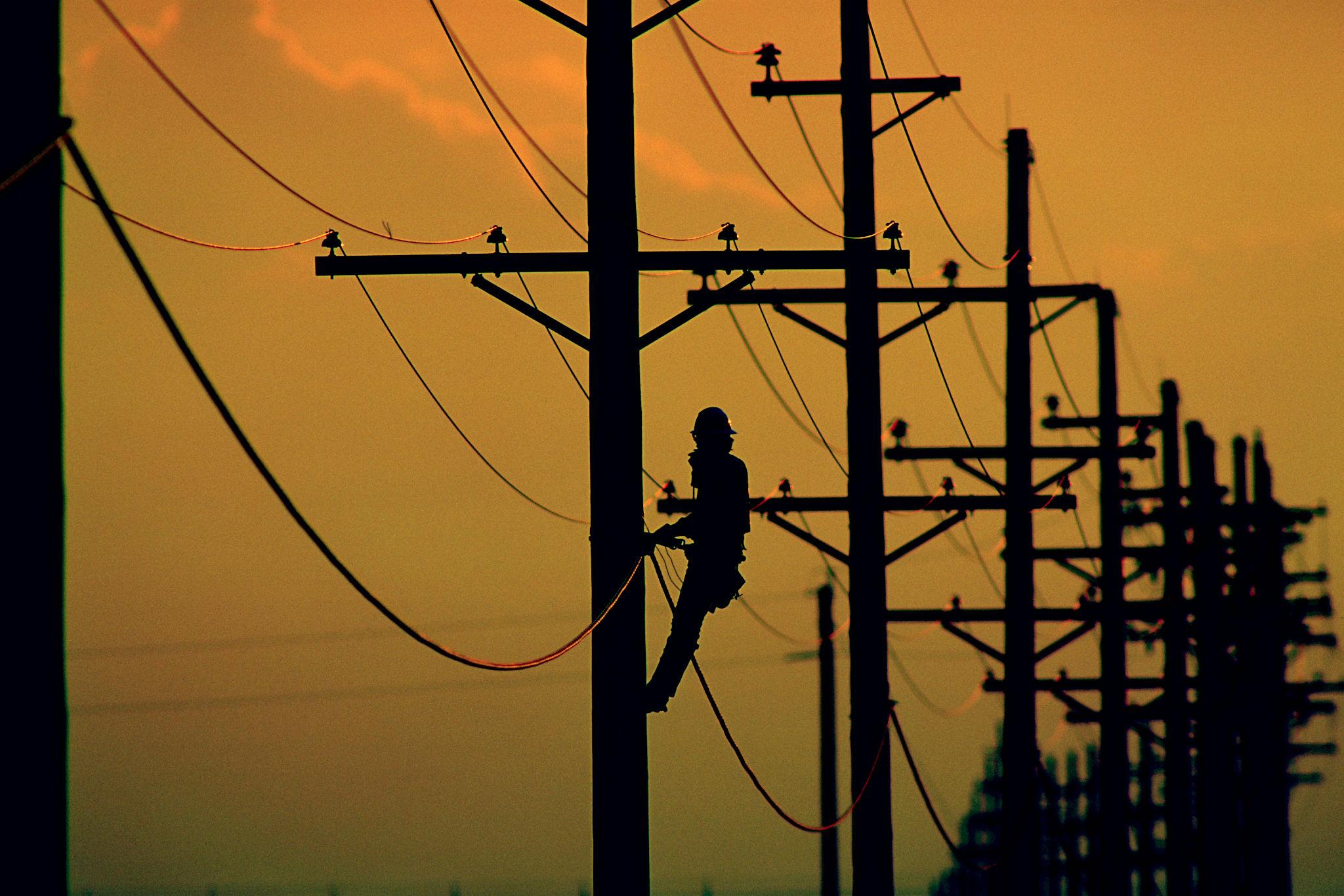
In Wisconsin, apprentice linemen may start around $25–$35 per hour, while experienced journeyman linemen can earn well over $120,000–$200,000+ annually depending on overtime, storm work, travel, and union contracts.
What Does a Lineman Actually Do?
Electrical linemen build, repair, and maintain power systems that deliver electricity to homes, businesses, factories, hospitals, and entire communities.
- Climbing utility poles
- Repairing storm-damaged power lines
- Operating bucket trucks and boom trucks
- Working around high-voltage electrical systems
- Installing transformers and electrical equipment
- Clearing lines near trees and obstacles
- Restoring power during storms and disasters
Common Equipment Linemen Use
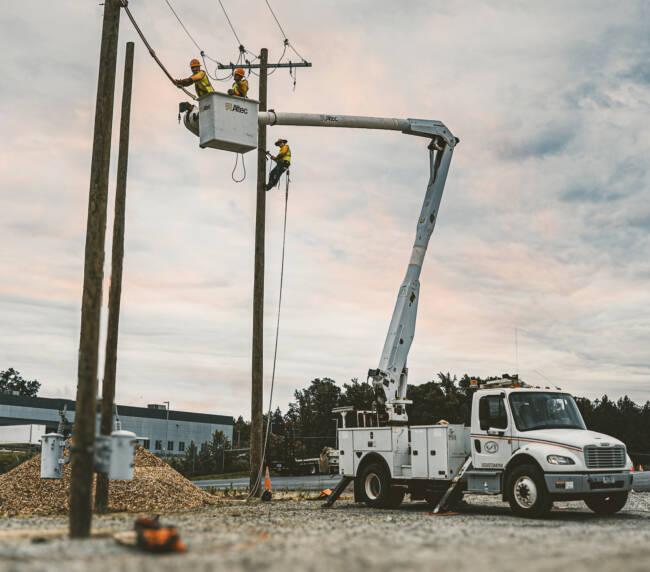
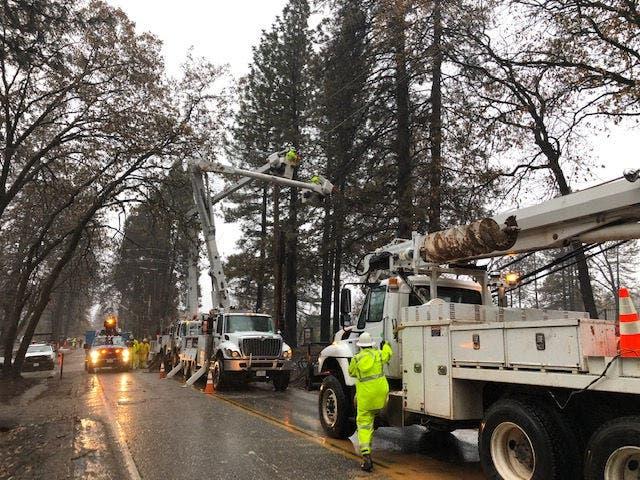
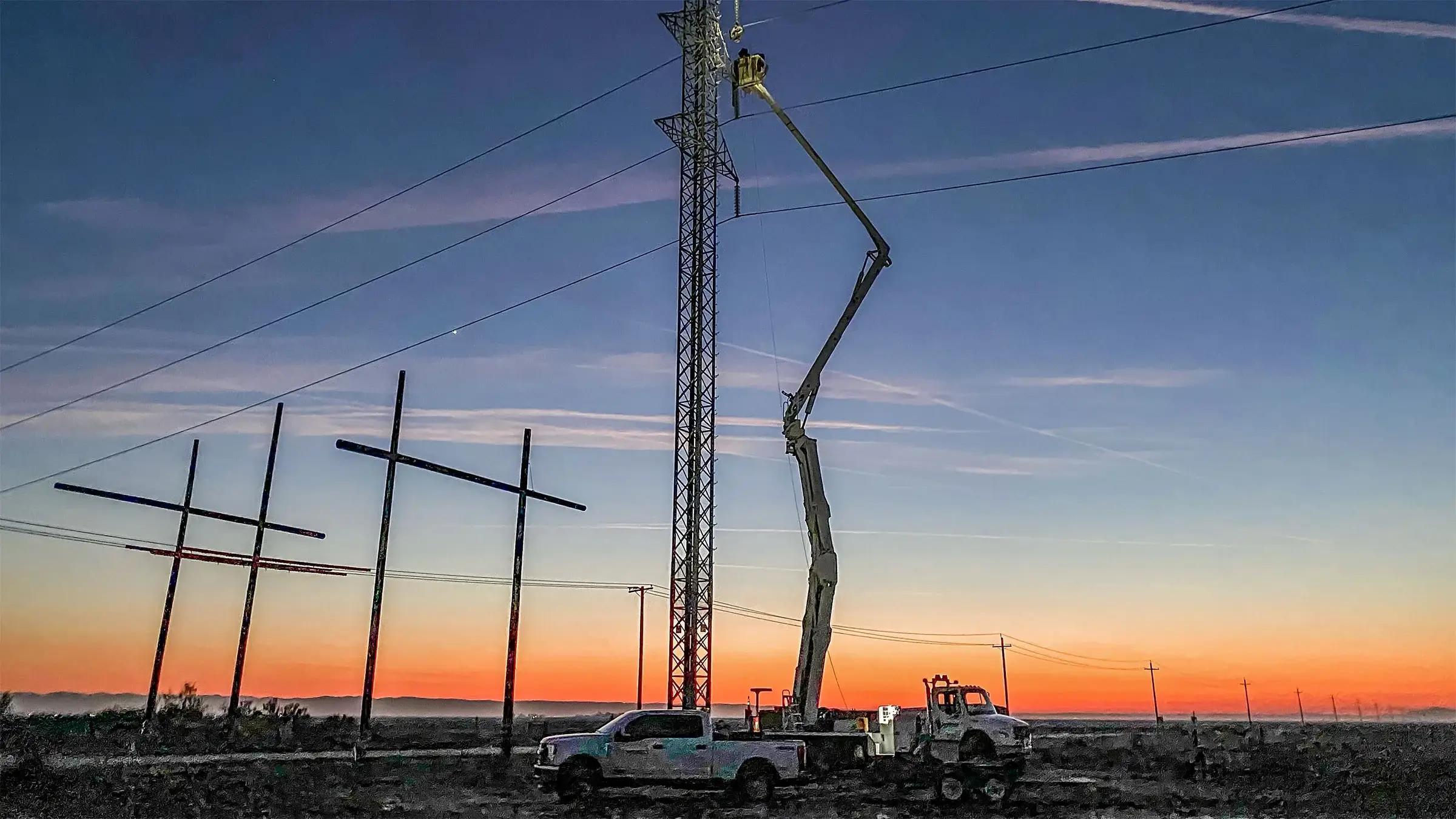
When most people think of lineman work, they picture a worker raised up in a bucket truck. That is one of the most common and recognizable pieces of equipment in the trade.
- Bucket truck: Often casually called a cherry picker.
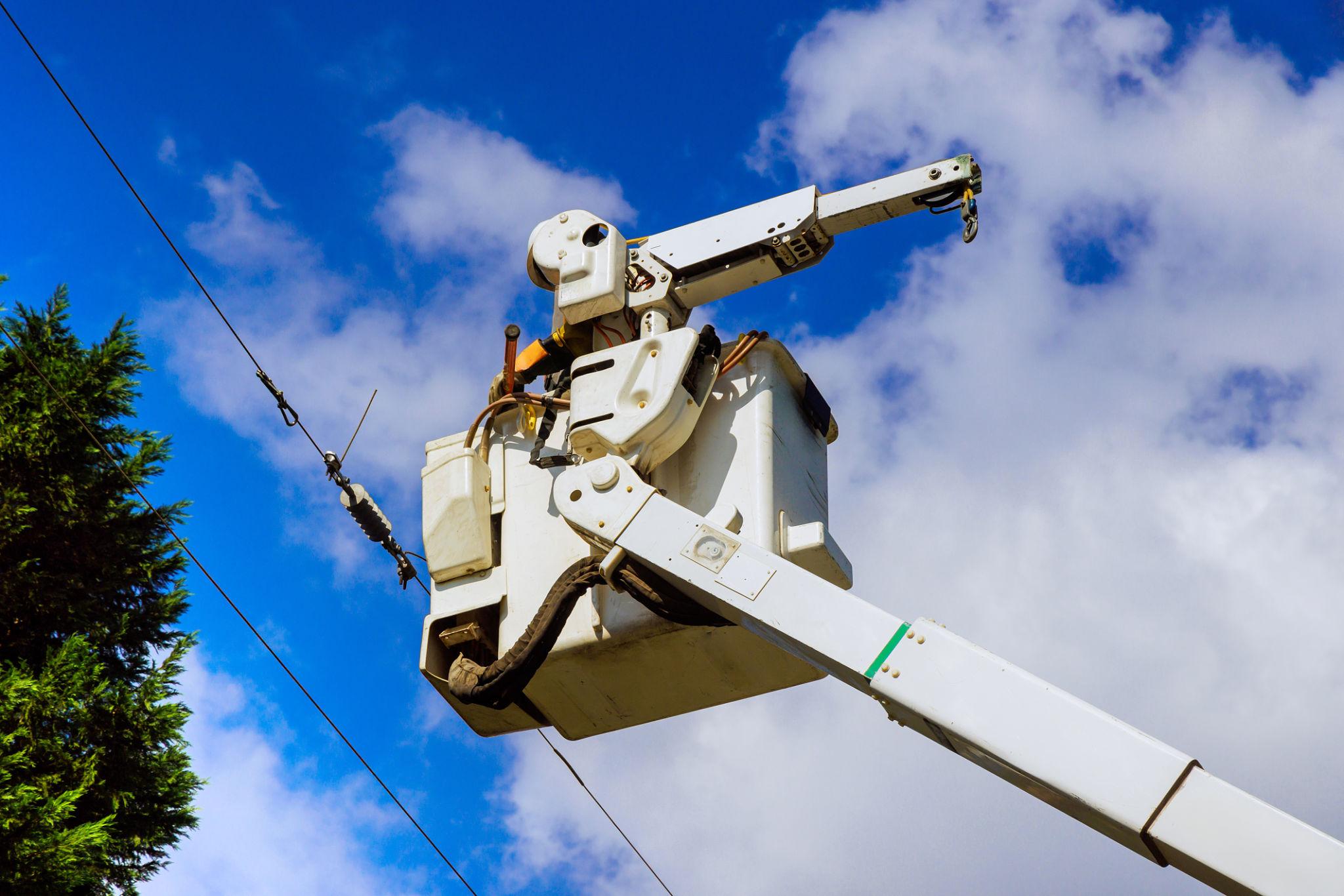
- Articulating boom truck: A boom truck with joints that can bend and maneuver around obstacles.
- Telescopic boom truck: A straight-extending boom used for height and reach.
- Digger derrick truck: Used to dig pole holes, set poles, and lift heavy equipment.
- Climbing gear: Includes gaffs, harnesses, belts, and fall protection.
- Hot sticks: Insulated tools used around energized electrical equipment.
- Insulated gloves and sleeves: Critical personal protective equipment.
How Much Do Linemen Make in Wisconsin?
Pay varies significantly depending on union status, overtime, storm response, travel, and experience level.
| Experience Level | Estimated Pay |
|---|---|
| Groundman | $20–$30/hr |
| 1st Year Apprentice | $25–$35/hr |
| Mid-Level Apprentice | $35–$45/hr |
| Journeyman Lineman | $50–$70+/hr |
| Storm / Heavy OT Seasons | $120K–$200K+ |
How Long Does It Take to Become a Lineman?
Most lineman apprenticeships take approximately 3–5 years, depending on the program, work hours, training progression, and employer requirements.
Training usually combines:
- Paid on-the-job training
- Classroom instruction
- Safety certifications
- Pole climbing training
- Electrical theory
- Equipment operation

Do You Need College to Become a Lineman?
Usually, no. Many linemen enter through apprenticeships, utility company programs, technical college line programs, or groundman jobs.
Most employers strongly prefer or require:
- Valid driver’s license
- CDL or willingness to earn one
- Strong physical condition
- Comfort with heights
- Ability to work outside in all weather
- Ability to travel or respond to emergencies
- Reliable work ethic
Transmission vs Distribution Linemen
Not all lineman work looks the same.
- Distribution linemen usually work on neighborhood and local power systems.
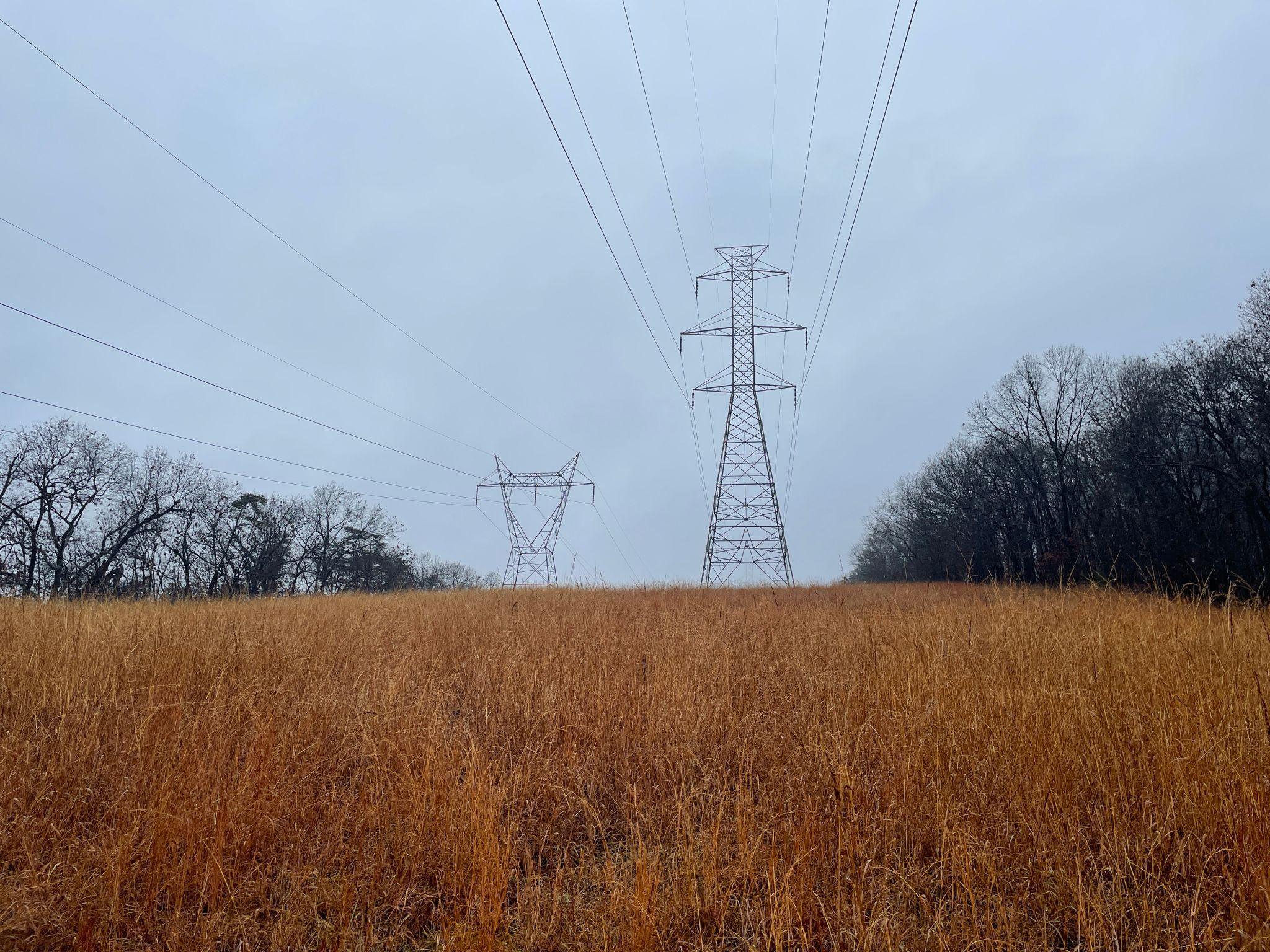
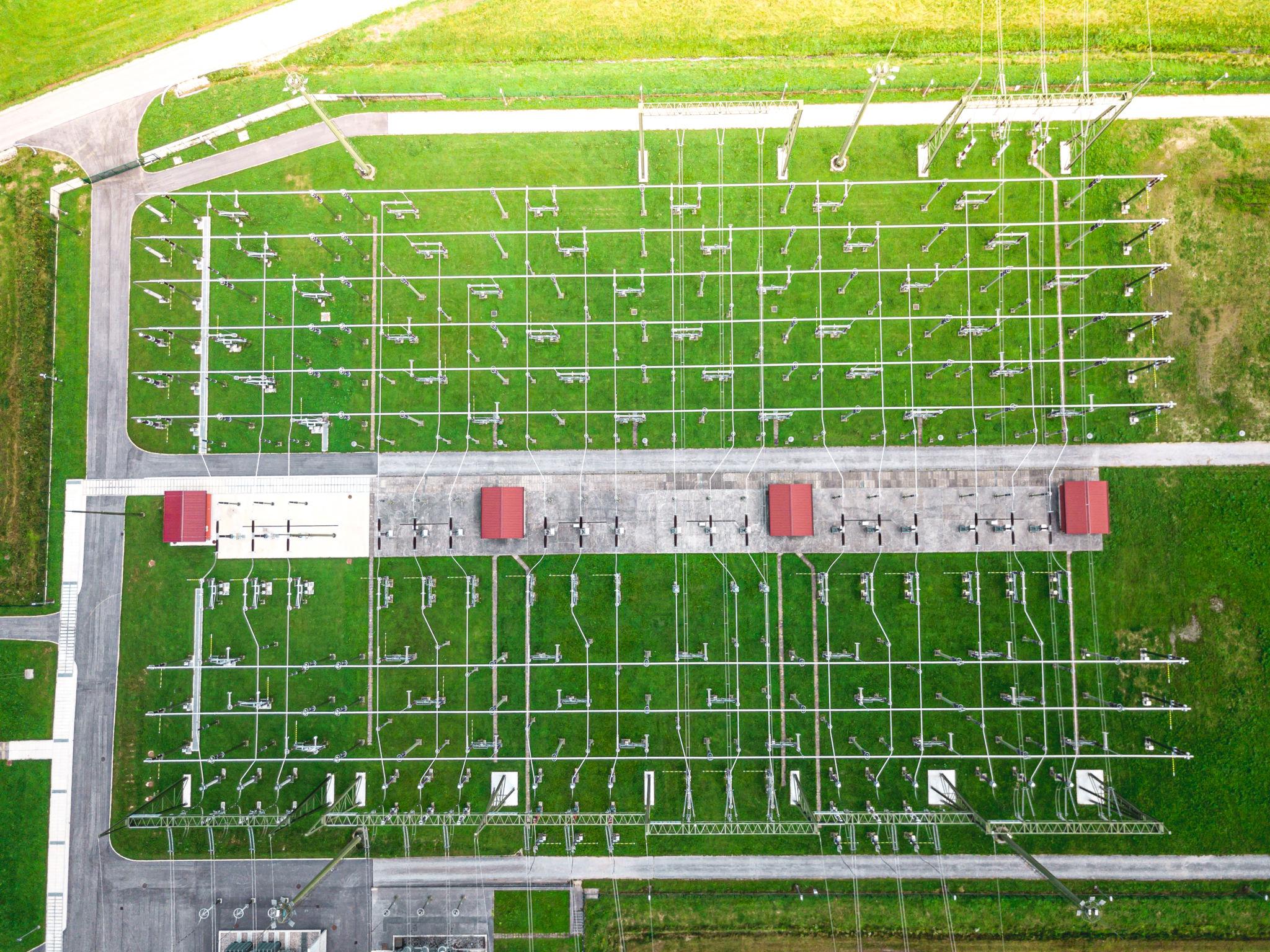
- Transmission linemen work on larger high-voltage transmission lines and towers that move power over long distances.
What Makes Lineman Work Dangerous?
Lineman work is dangerous because the hazards are real and often unforgiving.
- Electric shock and arc flash: Working near energized equipment can be deadly.
- Falls: Linemen may work from poles, towers, ladders, or elevated buckets.
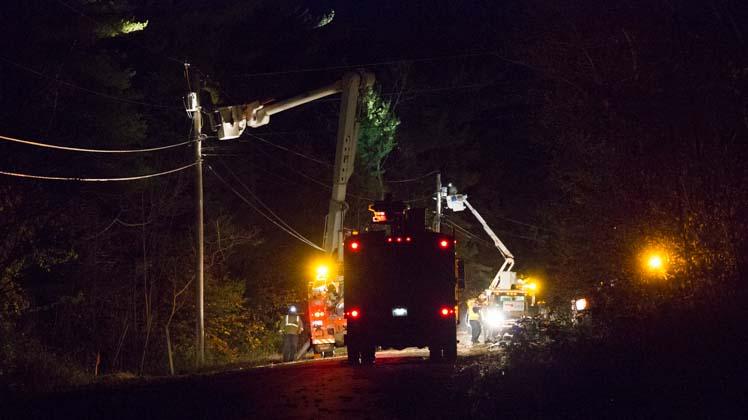
- Storm conditions: Wind, rain, ice, lightning, and darkness increase risk.
- Fatigue: Long shifts can lead to mistakes when workers are exhausted.
- Traffic hazards: Utility crews often work near roads and highways.
- Falling limbs and trees: Storm damage and tree work can create unpredictable hazards.
- Heavy equipment: Boom trucks, digger derricks, transformers, poles, and conductors all require serious awareness.
Before You Chase the Paycheck, Understand the Trade
A lineman career can be rewarding, respected, and financially powerful. But anyone considering this path should understand the trade before jumping in.
This job may require you to work in bad weather, miss family events, respond during emergencies, climb at dangerous heights, and stay focused around electrical systems that can seriously injure or kill you.
The right person may thrive in this environment. The wrong person may burn out quickly.
Best Ways to Start in Wisconsin
- Research Wisconsin lineman apprenticeship programs.
- Consider earning your CDL.
- Apply for groundman positions.
- Look into IBEW apprenticeship opportunities.
- Research utility company openings.
- Consider technical college lineworker training.
- Build physical conditioning and outdoor work experience.
- Talk to actual linemen before committing.
Who Is This Career Best For?
Lineman work may be a strong fit for someone who:
- Likes physical work
- Can handle heights
- Can work outdoors in rough weather
- Wants a skilled trade instead of a four-year degree
- Can follow safety rules closely
- Can stay calm under pressure
- Is willing to work overtime when needed
It may not be a good fit for someone who wants predictable hours, low physical risk, easy indoor work, or a low-stress schedule.
Final Thoughts
Lineman careers are not for everyone.
But for workers willing to handle weather, overtime, travel, physical demands, and serious safety responsibility, the trade can provide strong income potential, valuable skills, union opportunities, and a direct path without a traditional four-year degree.
Explore More Wisconsin Career Paths
Compare skilled trades, apprenticeships, healthcare careers, and IT pathways across Wisconsin.
Browse Workforce Guides →