
Lineman Apprentice Pay by Year (2026) — From Groundman to $150K+ Reality
How lineman pay progresses from entry-level groundman to journeyman — and why some utility workers eventually earn six figures.

A lot of people hear:
“Lineman can make $150K+ without a college degree.”
What they usually do not hear is:
- how physically demanding the work can be
- how dangerous utility work is
- how much overtime drives yearly income
- how long it takes to become highly skilled
- how much sacrifice the lifestyle can require
This is not easy money.
The income potential is real — but so are the storms, heights, travel, outages, and long shifts.
You earn every dollar.
What Does a Lineman Apprentice Actually Do?
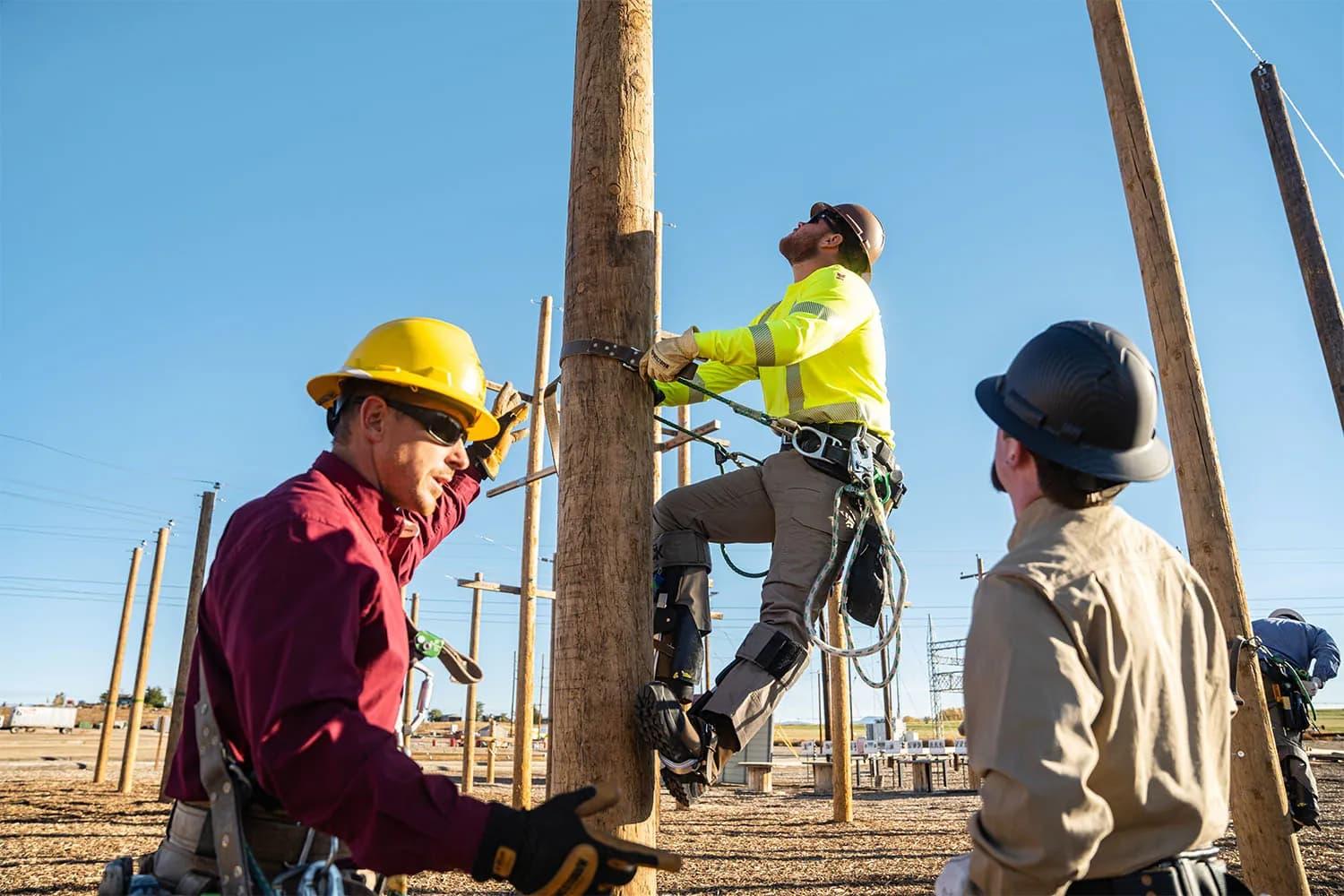
Lineman apprentices help build, repair, and maintain electrical infrastructure.
That can include:
- climbing utility poles
- working from bucket trucks
- storm restoration
- setting poles
- pulling wire
- working around high voltage systems
- substation support
- responding to outages
Many apprentices begin as:
Groundmen
before progressing into a formal apprenticeship program.
This career is often outdoors in:
- snow
- rain
- heat
- wind
- storm environments
Some shifts may occur:
- overnight
- during emergencies
- during holidays
- far away from home
Typical Lineman Career Timeline
| Stage | Approx Timeline | Focus |
|---|---|---|
| Groundman | 0–1 Years | Basic jobsite experience and utility work |
| 1st Year Apprentice | Year 1 | Safety, climbing, equipment basics |
| 2nd Year Apprentice | Year 2 | Higher independence and technical work |
| 3rd Year Apprentice | Year 3 | Complex utility tasks and troubleshooting |
| 4th Year Apprentice | Year 4 | Preparing for journeyman-level responsibility |
| Journeyman Lineman | ~4–5 Years+ | Independent utility worker |
Lineman Apprentice Pay by Year

Pay varies depending on:
- union vs non-union
- travel work
- storm response opportunities
- utility company contracts
- overtime availability
- Midwest vs high-cost regions
But many lineman apprenticeship programs follow a progression similar to this:
| Stage | Typical Hourly Pay | Estimated Annual Range* |
|---|---|---|
| Groundman | $20–$32/hr | $45K–$75K+ |
| 1st Year Apprentice | $25–$35/hr | $60K–$90K+ |
| 2nd Year Apprentice | $32–$42/hr | $75K–$110K+ |
| 3rd Year Apprentice | $38–$48/hr | $90K–$130K+ |
| 4th Year Apprentice | $45–$55/hr | $110K–$150K+ |
| Journeyman Lineman | $55–$80+/hr | $120K–$250K+ |
*Actual yearly income varies dramatically depending on overtime, storms, travel, and utility contracts.
Why Some Lineman Make So Much Money
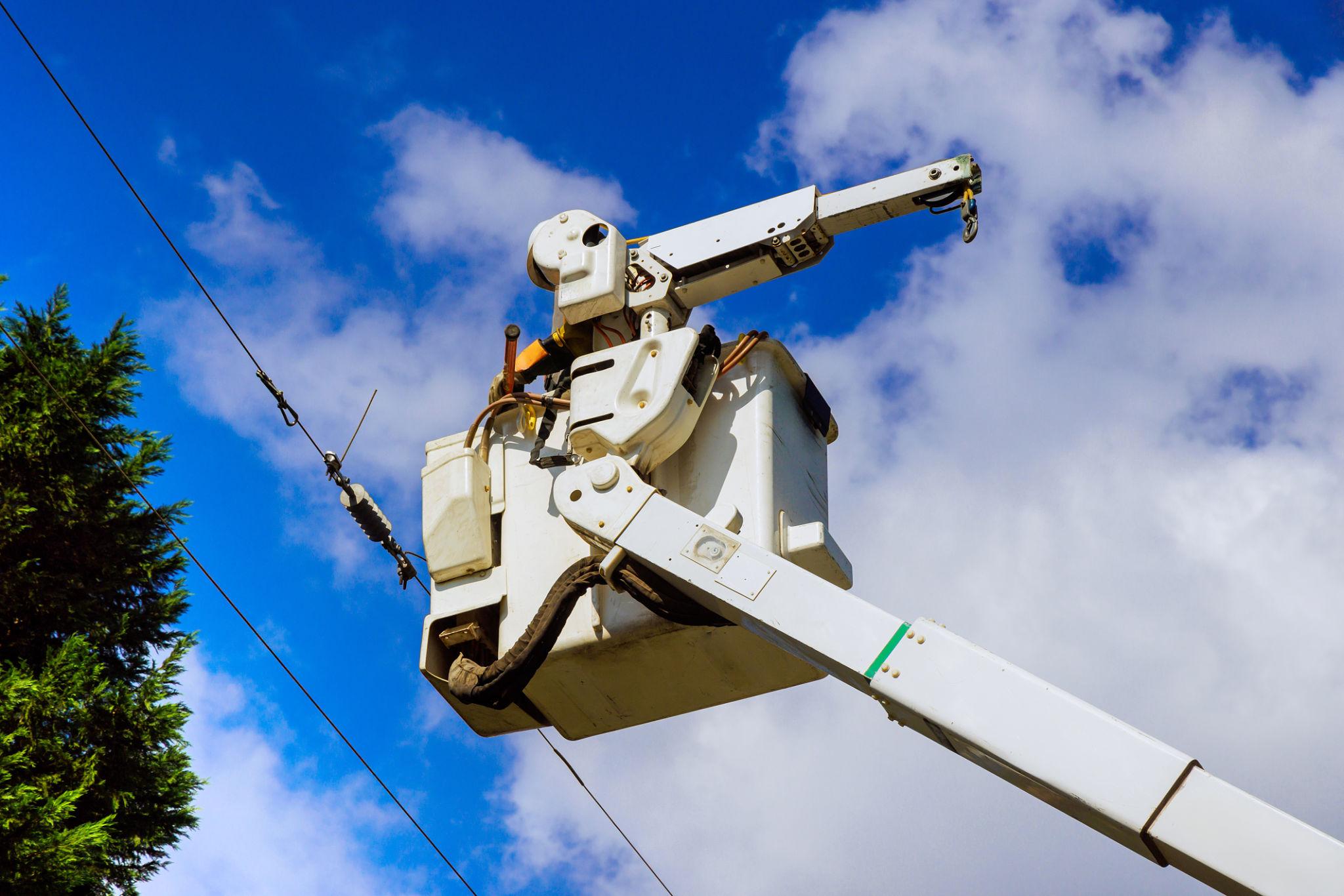
A large portion of six-figure lineman income often comes from:
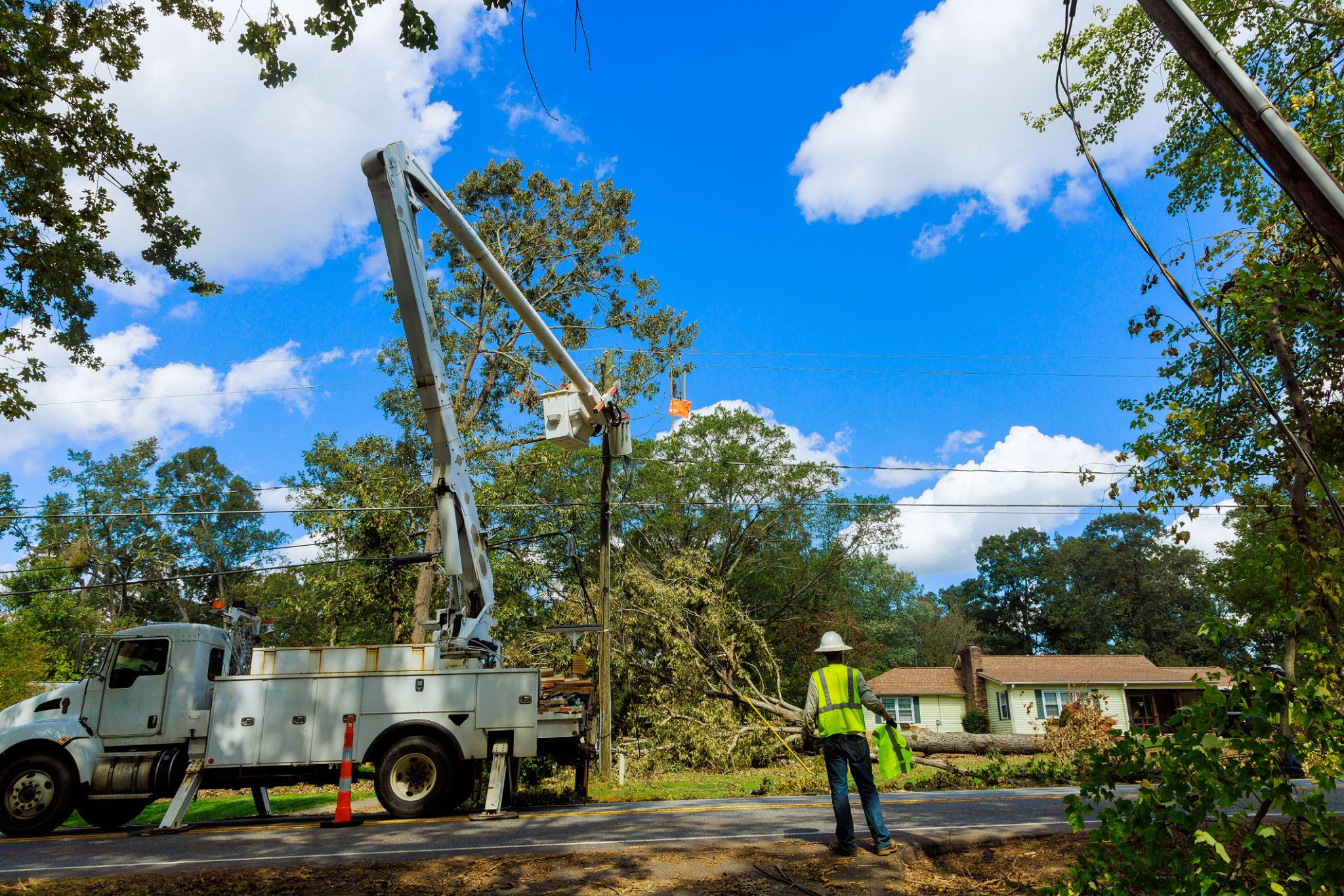
- storm restoration work
- travel assignments
- long overtime shifts
- double-time pay
- emergency utility response
- specialized infrastructure projects
Some crews may work:
- 16-hour shifts
- multiple weeks away from home
- overnights
- major weather emergencies
- holidays
Example Income Scenario
A journeyman lineman earning:
- $62/hr base pay
- regular overtime
- storm response work
- travel assignments
could potentially exceed:
$180K+ per year
But that may involve:
- 60–80 hour weeks
- nights away from home
- physical exhaustion
- dangerous weather conditions
The income is real.
So is the workload.
Can You Handle the Lifestyle?
Lineman work is not for everyone.
You may deal with:
- storms
- snow
- heights
- long shifts
- travel
- fatigue
- emergency callouts
Some workers thrive in that environment.
Others quickly realize:
the paycheck comes with sacrifice.
You may miss:
- holidays
- weekends
- family events
- normal schedules
But some people love:
- the teamwork
- the mission
- the adrenaline
- the challenge
- the income potential
Why Some Apprentices Never Make It
Some people underestimate:
- the weather
- the heights
- the exhaustion
- the travel
- the discipline required
- the safety culture
Others struggle with:
- showing up consistently
- taking correction
- learning technical systems
- handling pressure
- working long shifts
Lineman apprenticeships are not designed for comfort.
That is part of why skilled journeyman become highly valuable.
Best Personality Traits for This Career
People who often succeed in this field tend to:
- stay calm under pressure
- tolerate discomfort well
- work effectively on teams
- handle physical environments
- solve problems quickly
- take safety seriously
- continue learning
This career rewards:
discipline, reliability, and skill progression.
Final Thoughts
Lineman pay progression is not about instant success.
It is about:
- earning trust
- developing difficult skills
- handling responsibility
- working through difficult environments
For the right person, this career can become:
- a six-figure income path
- a long-term trade profession
- a way to support a family
- a path without massive student debt
But nobody should enter this field expecting easy money.
You earn every dollar.