
The Reality of Lineman Storm Work
Storm work is one of the most talked-about parts of the lineman trade. People hear about the big paychecks, the long hours, the travel, and the chance to make serious money in a short period of time.
But storm work is not just overtime. It is dangerous, exhausting, unpredictable work done in some of the worst conditions possible. It can be rewarding, but it is not easy money.
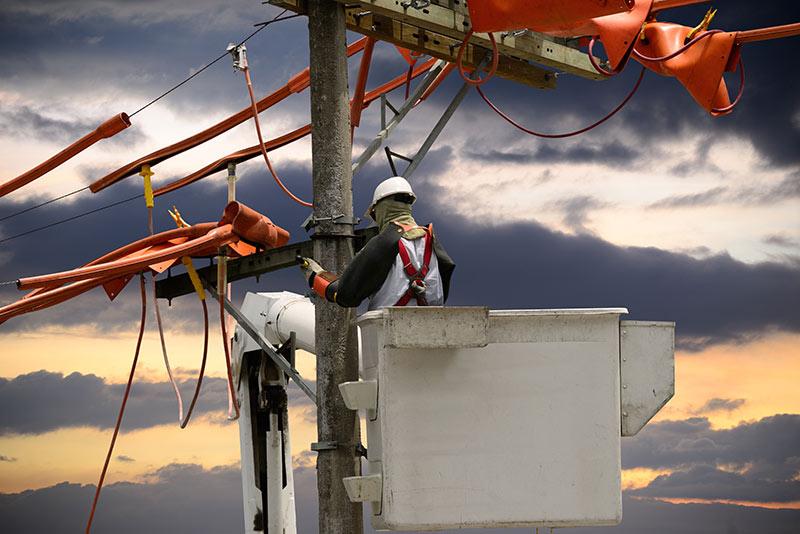
Storm restoration work can mean long hours, bad weather, dangerous conditions, and pressure to get communities powered again.
Simple truth: Storm work can change a lineman’s paycheck fast — but every dollar is usually earned the hard way.
Storm Work Usually Starts When Everyone Else Is Staying Home
When severe weather hits, most people are told to stay inside. Linemen often do the opposite. They head toward the damage. Hurricanes, tornadoes, ice storms, high winds, flooding, and heavy snow can all create major outages.
That means crews may be called out with very little notice. Plans change fast. Sleep gets interrupted. Family events get missed. Holidays can disappear. When the system is damaged badly enough, the job becomes simple: get the power back on safely.
The Pay Can Be Strong — But It Comes With a Cost
Storm work can involve long shifts, overtime, travel pay, per diem, and extended work periods. That is why many people are drawn to it. The money can be real.
But the trade-off is also real. You may be working 16-hour days. You may sleep in hotels, trucks, staging areas, or wherever the crew is placed. You may be away from home for days or weeks. You may be tired, wet, cold, hot, hungry, and still expected to stay sharp.
What People See
- Big overtime checks
- Bucket trucks and convoys
- Travel opportunities
- Respect from the public
What They Often Miss
- Exhaustion
- Dangerous energized equipment
- Bad weather exposure
- Time away from family
The Work Can Be Dangerous
Linemen already work around serious hazards. Storm work adds even more. Downed poles, damaged transformers, broken crossarms, trees on lines, flooded areas, unstable ground, and hidden energized conductors can all create deadly situations.
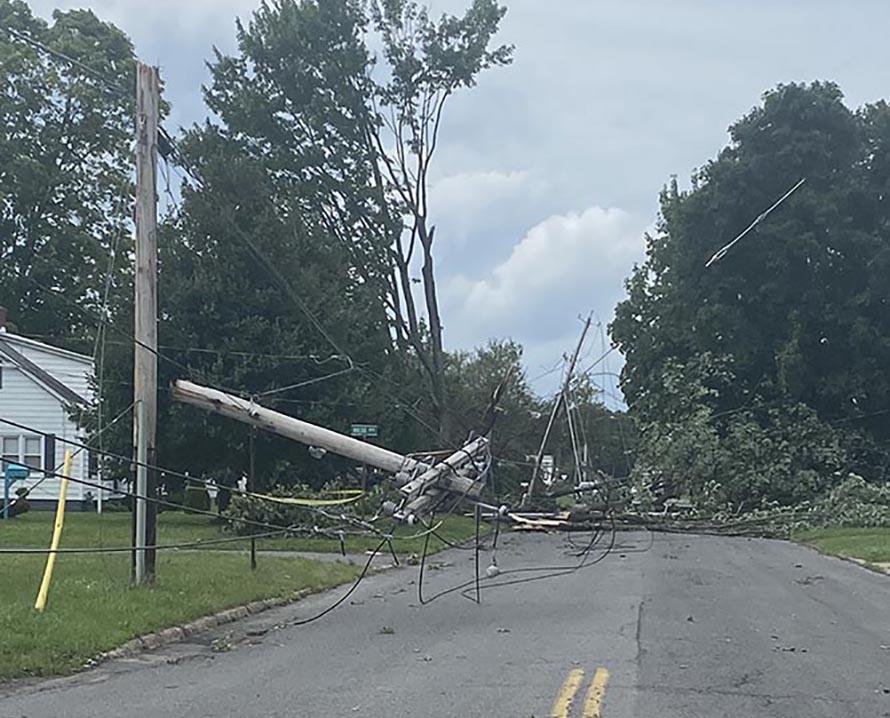
Storm damage can create unstable, unpredictable, and dangerous work environments.
Safety reality: A downed line should never be assumed dead. Storm scenes can be chaotic, and the danger is not always obvious to people watching from the outside.
Storm Work Is Physical and Mental
The physical side is obvious. Climbing, lifting, rigging, working in a bucket, carrying gear, handling material, and operating in bad weather can wear a person down.
The mental side is just as important. Linemen have to stay focused when they are tired. They have to follow safety procedures when the public is impatient. They have to communicate clearly when the environment is loud, dark, wet, or chaotic.
The people who succeed in storm work usually have more than toughness. They have discipline. They know when to slow down, check the setup, listen to the crew, and respect the hazards.
Night Work Is Part of the Reality
Storm restoration does not always wait for daylight. Crews may work through the night under truck lights, headlamps, rain, wind, and cold. That changes everything. Visibility is reduced. Fatigue builds. Mistakes become easier to make.
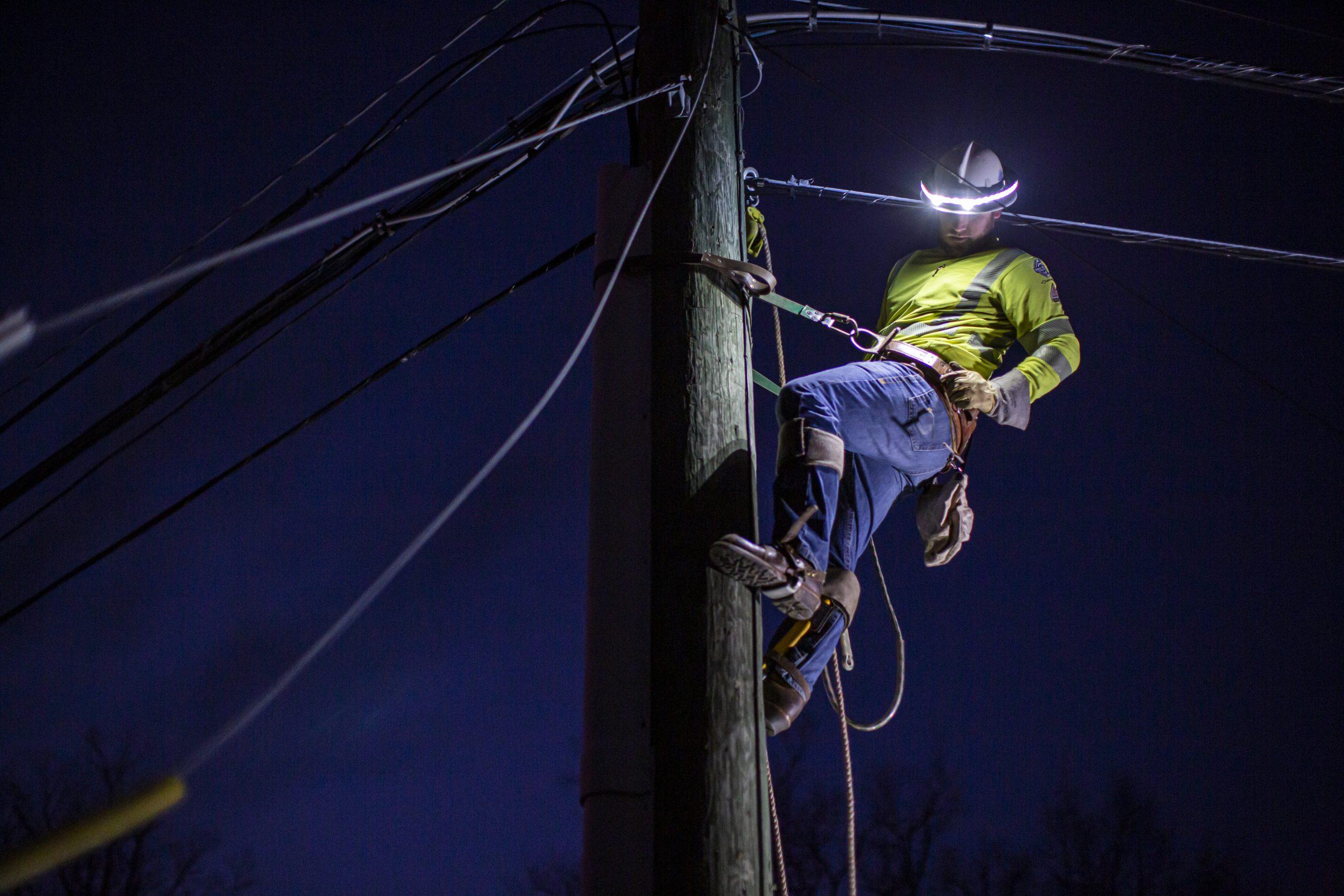
Night storm work requires focus, communication, and serious attention to safety.
There Is Pressure to Restore Power Fast
When power is out, people get frustrated. Homes go dark. Businesses close. Food spoils. Elderly people may lose heat or air conditioning. Medical equipment may depend on backup power. Communities want answers fast.
Linemen feel that pressure, but they also have to work safely. The job is not just about speed. It is about restoring power without getting someone hurt or killed.
Storm Work Can Be Hard on Family Life
This is one of the least talked-about parts of the trade. Storm work can be hard on spouses, kids, parents, and relationships. When a lineman gets called out, the family at home may be left handling everything else.
Birthdays, holidays, school events, weekends, and normal routines can all be interrupted. For some families, the income helps. For others, the unpredictability is difficult.
Reality check: If someone is considering this trade, they should think about the lifestyle — not just the paycheck.
Why Linemen Still Do It
Even with the danger and sacrifice, many linemen take pride in storm work. There is a mission behind it. When a town is damaged and the power comes back on, people notice. Families get heat again. Hospitals keep operating. Businesses reopen. Communities start recovering.
There is also a strong sense of brotherhood. Crews depend on each other. They eat together, travel together, work long hours together, and trust each other in dangerous conditions.
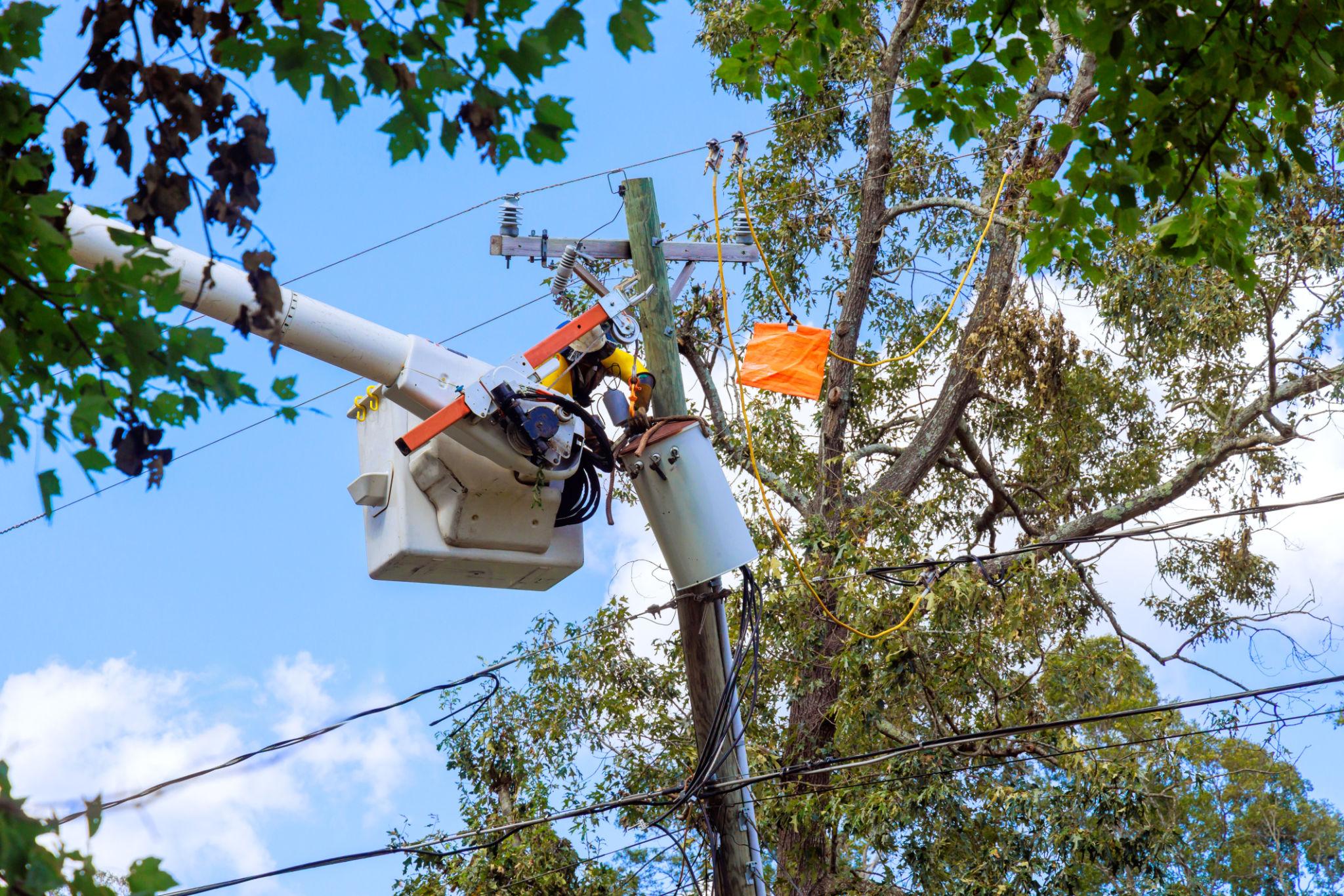
For many linemen, storm work is difficult but meaningful. The goal is to restore power and help communities recover.
Not Everyone Is Built for Storm Work
That is not an insult. It is just true. Some people like the idea of the job more than the reality. Storm work demands patience, discipline, physical endurance, mental toughness, and respect for danger.
If someone only wants the paycheck, they may struggle. If they want meaningful work, can handle pressure, and are willing to learn the trade seriously, storm work can become one of the most respected parts of a lineman’s career.
Final Thought
The reality of lineman storm work is this: it can pay well, but it is not easy money. It is dangerous work done in hard conditions by people who are often exhausted, far from home, and under pressure to restore power safely.
The paycheck may get attention, but the responsibility is what defines the work.
Thinking About Line Work?
Do not just research the pay. Research the lifestyle, the apprenticeship path, the safety risks, the travel, and the kind of person this work requires. The trade can be a strong path, but it deserves to be taken seriously.