
Operating Engineers Local 139 Apprenticeship: Pay, Requirements, Timeline, and Reality (2026 Guide)
For many Wisconsin workers, the International Union of Operating Engineers (IUOE) Local 139 represents one of the best opportunities to enter a skilled trade without taking on college debt.
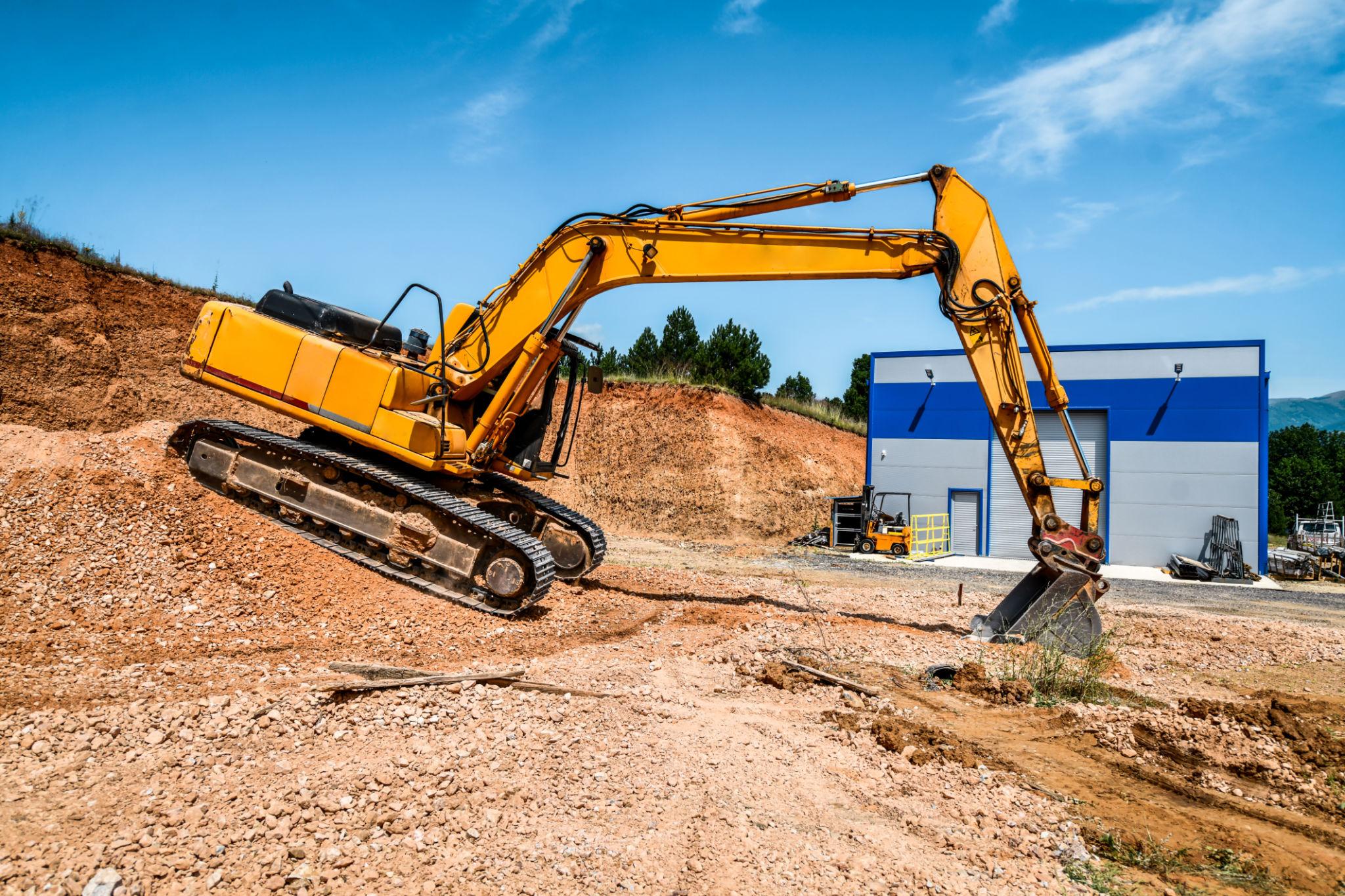
Operating Engineers run the machines that build America. Excavators, bulldozers, cranes, graders, loaders, paving equipment, and other heavy machinery all require trained operators. In Wisconsin, Local 139 is the primary pathway into this career.
The appeal is obvious:
- Earn while you learn
- Union wages and benefits
- Pension opportunities
- No four-year degree required
- Potential to earn six figures with experience and overtime
But the reality is more complicated than many social media videos suggest.
This guide explains the pay, requirements, timeline, and what applicants should realistically expect.
What Is Local 139?
Local 139 represents operating engineers throughout Wisconsin.
Members work in:
- Heavy highway construction
- Excavation
- Utility construction
- Road building
- Commercial construction
- Crane operations
- Aggregate and mining operations
- Pipeline work
- Sewer and water projects
The union operates one of the largest heavy equipment training facilities in the country and has trained generations of Wisconsin operators.
What Do Operating Engineers Actually Do?
Many people hear “heavy equipment operator” and imagine sitting comfortably in an air-conditioned excavator all day.
Sometimes that’s true.
Other times you’re:
- Working in mud
- Working in rain
- Working in extreme heat
- Starting before sunrise
- Working overtime to meet deadlines
- Traveling to projects
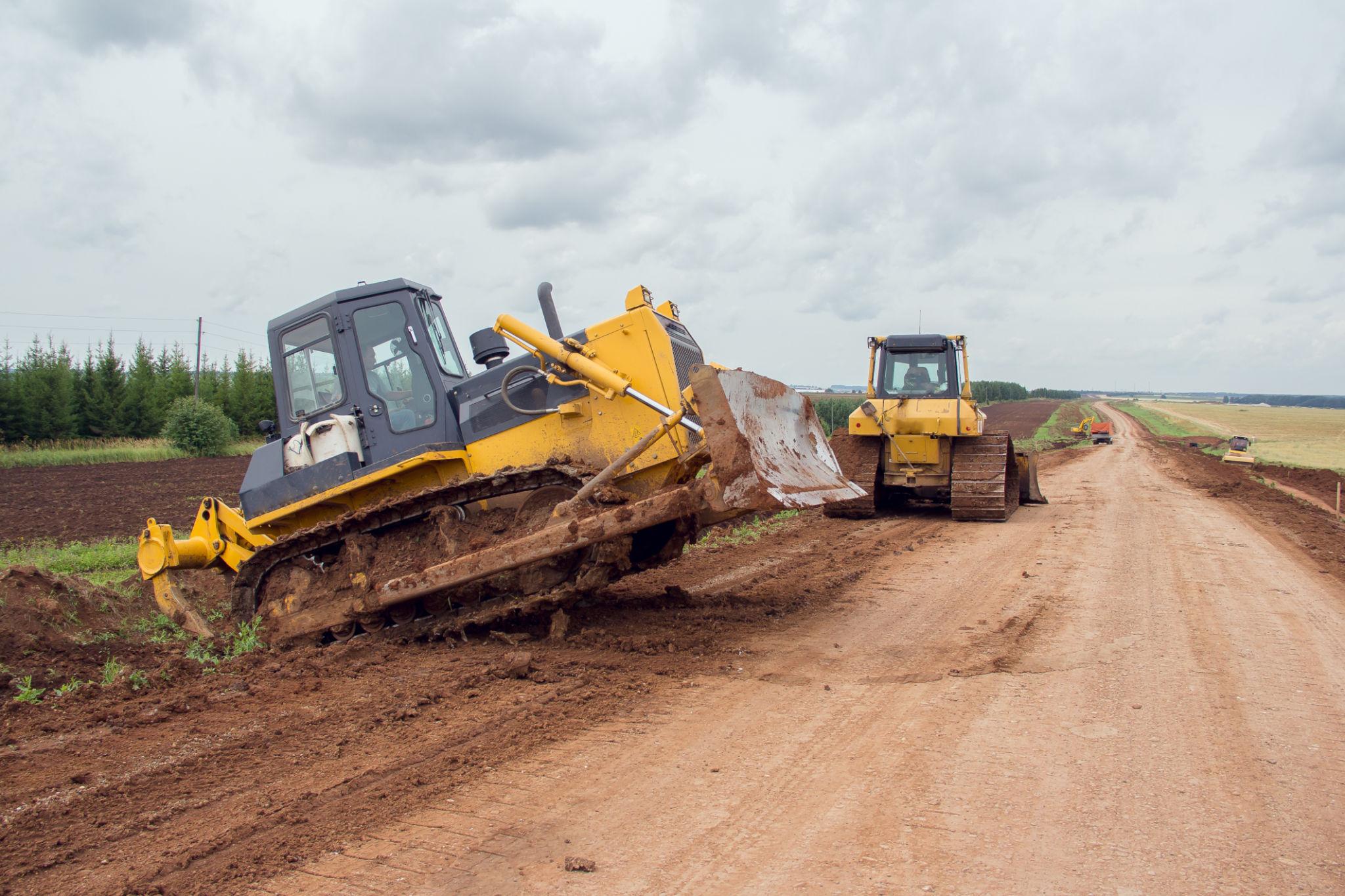
Operating Engineers may run:
- Excavators
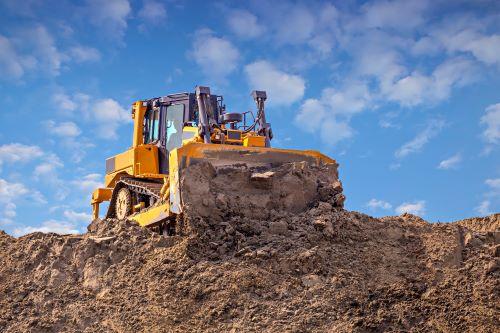
- Bulldozers
- Wheel loaders
- Motor graders
- Cranes
- Compactors
- Asphalt equipment
- Backhoes
- Scrapers
The job requires coordination, awareness, patience, and attention to safety.
Mistakes can cost thousands of dollars—or seriously injure someone.
Local 139 Apprenticeship Requirements
As of 2026, applicants generally must have:
- Minimum age of 18
- Valid driver’s license
- High school diploma, GED, or transcripts
- Completed application
- Required aptitude testing scores or equivalent qualifications
Applicants may qualify through testing pathways such as:
- Accuplacer
- ACT
- Ramsay Mechanical Aptitude Test
Minimum score requirements apply depending on the testing method used.
How Long Is the Apprenticeship?
The Local 139 apprenticeship requires:
- 6,000 hours of on-the-job training
- Approximately four years to complete
- Progressive wage increases throughout the program
The program is divided into four major pay periods of approximately 1,500 hours each. As apprentices gain experience and demonstrate competency, they advance through the wage progression system.
How Much Does a Local 139 Apprentice Make?
According to Local 139 training information:
- Apprentices typically start around $26 per hour
- Wage increases occur throughout the apprenticeship
- Upper-level apprentices may earn approximately $34.53 per hour
- Journey-level operators earn around $38+ per hour depending on contract and classification
Many operators earn significantly more through:
- Overtime
- Prevailing wage projects
- Specialized equipment certifications
- Crane operation
- Seasonal demand
Benefits often include:
- Health insurance
- Pension contributions
- Additional retirement benefits
- Training opportunities through the union system
How Competitive Is Acceptance?
One mistake applicants make is assuming they simply apply and immediately begin operating excavators.
That is not how it works.
Successful applicants generally:
- Apply early
- Meet testing requirements
- Maintain a clean work record
- Show reliability
- Demonstrate interest in construction work
The construction industry values people who show up consistently and work safely.
Reliability often matters more than previous equipment experience.
What Nobody Tells You
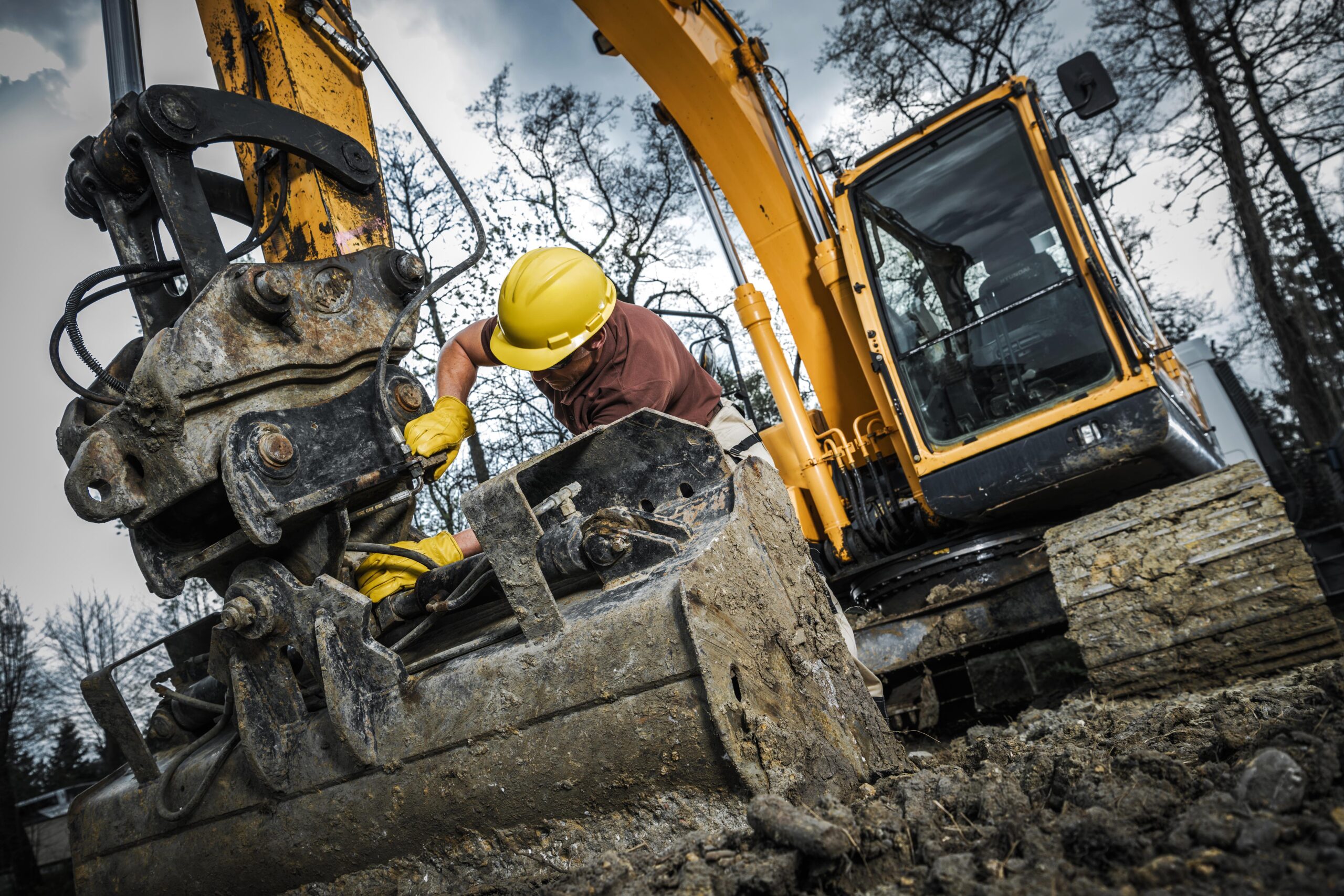
This is where many applicants develop unrealistic expectations.
“Sit in an excavator and make six figures.”
The real version:
- Construction can be seasonal.
- Some projects start very early.
- Travel may be required.
- Overtime can be extensive.
- Work is weather-dependent.
- Layoffs can occur when projects finish.
The money can be excellent.
The work can also be physically and mentally demanding.
People who succeed tend to enjoy construction environments and don’t mind working outdoors.
Is Local 139 Worth It?
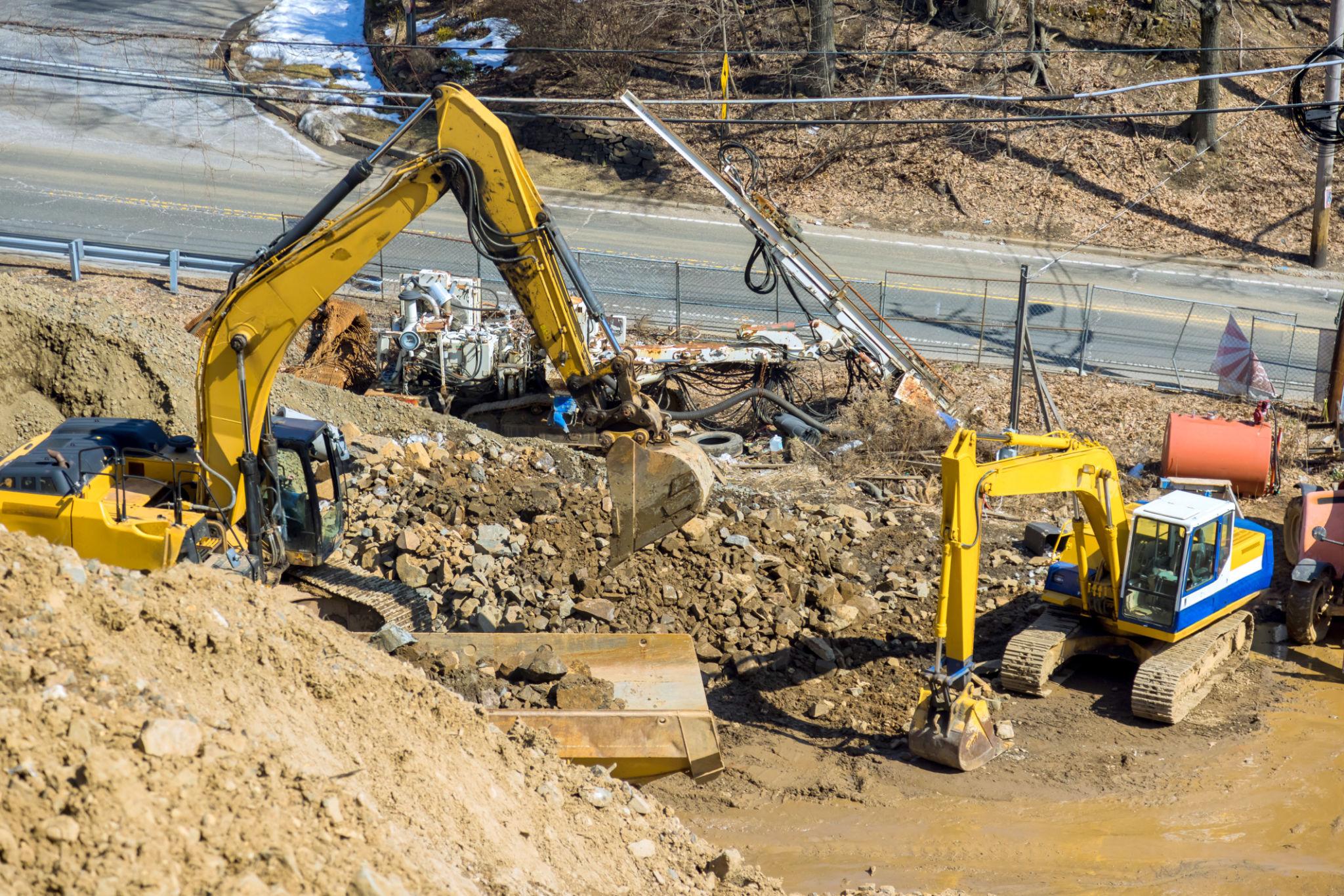
For the right person, absolutely.
A Local 139 apprenticeship offers:
- ✓ Paid training
- ✓ Strong earning potential
- ✓ Union benefits
- ✓ Pension opportunities
- ✓ No student loan debt
- ✓ A clear pathway into a skilled trade
However, it is best suited for individuals who:
- Like construction environments
- Enjoy working around equipment
- Are dependable
- Can handle outdoor conditions
- Are willing to learn continuously
If your goal is a stable, skilled career with strong long-term earning potential, Local 139 deserves serious consideration.
Bottom Line
The Local 139 apprenticeship is one of Wisconsin’s strongest earn-while-you-learn career pathways.
Applicants should expect approximately four years and 6,000 hours of training before reaching journey-level status. Apprentices start at competitive wages, receive regular raises, and gain access to union benefits while learning valuable skills.
The work is not easy.
But for people who enjoy construction, machinery, and building tangible projects, Local 139 can provide a career that lasts decades.