
Do Linemen Need a CDL? What Future Apprentices Should Know
If you are thinking about becoming a lineman, one thing you will see over and over is the CDL requirement. A Commercial Driver’s License is not just a nice bonus in this trade — for many utility companies, contractors, and apprenticeship programs, it can be a major hiring advantage.
Why Linemen Often Need a CDL
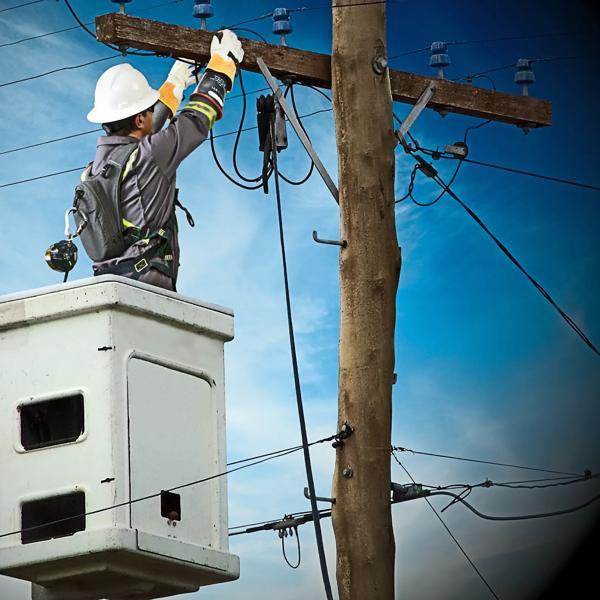
Lineworkers do not just climb poles and work on power lines. They also operate and move heavy equipment, bucket trucks, digger derricks, utility trucks, trailers, and storm restoration vehicles. Because of that, many employers want applicants who either already have a CDL or are willing to get one quickly.
In many cases, a Class A CDL is preferred because it gives the worker more flexibility with larger vehicles and trailers. Some employers may accept a Class B CDL depending on the equipment used, but Class A is often the stronger long-term option.
CDL and Storm Work
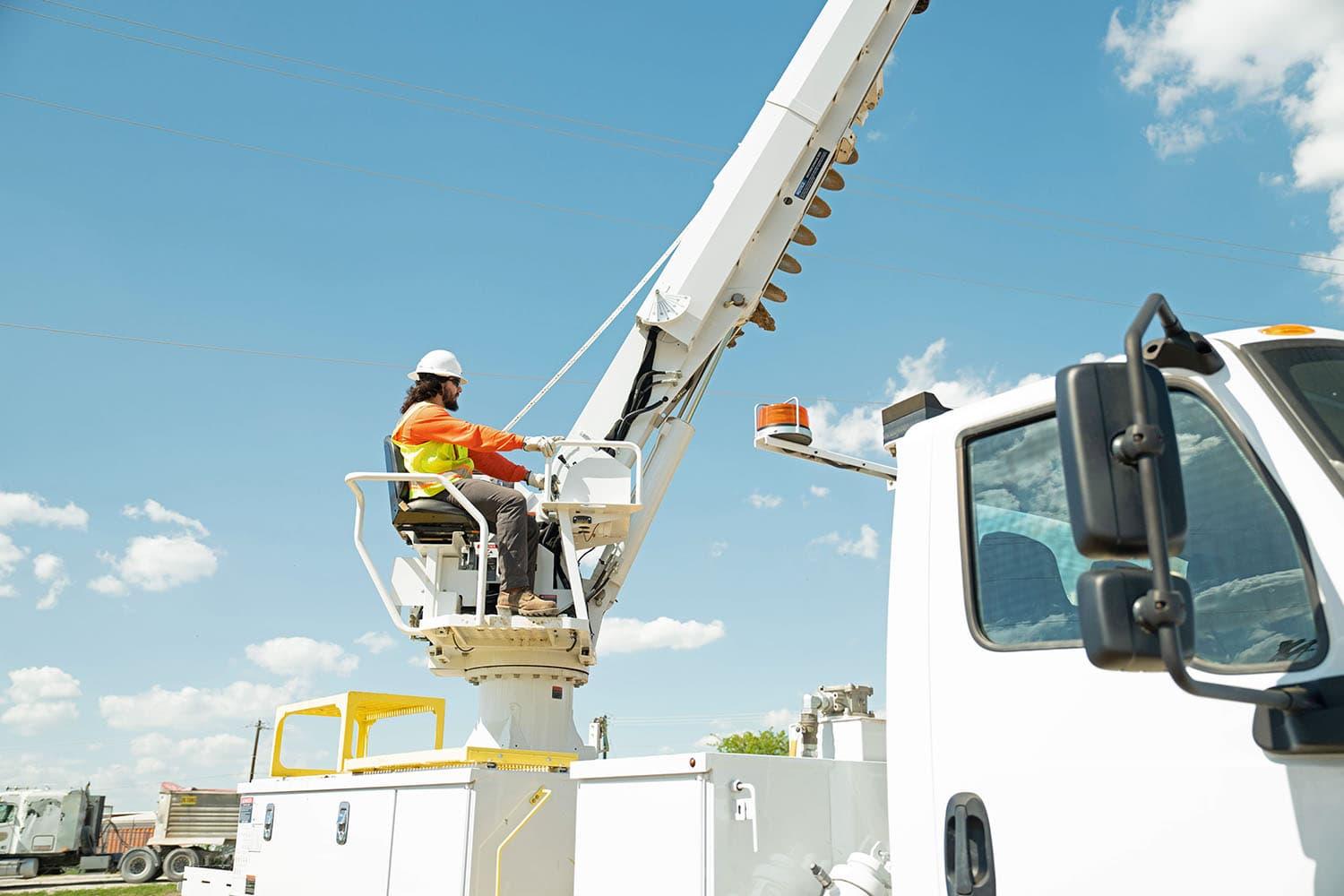
Storm work is one reason a CDL matters so much. When storms damage power lines, crews may travel long distances with trucks, trailers, tools, poles, transformers, and other equipment. A lineman who can safely drive commercial vehicles is more useful to the crew.
This does not mean CDL holders are automatically ready for linework. The job still requires serious training, safety awareness, physical toughness, and discipline. But having a CDL can remove one barrier between you and an apprenticeship opportunity.
Should You Get a CDL Before Applying?
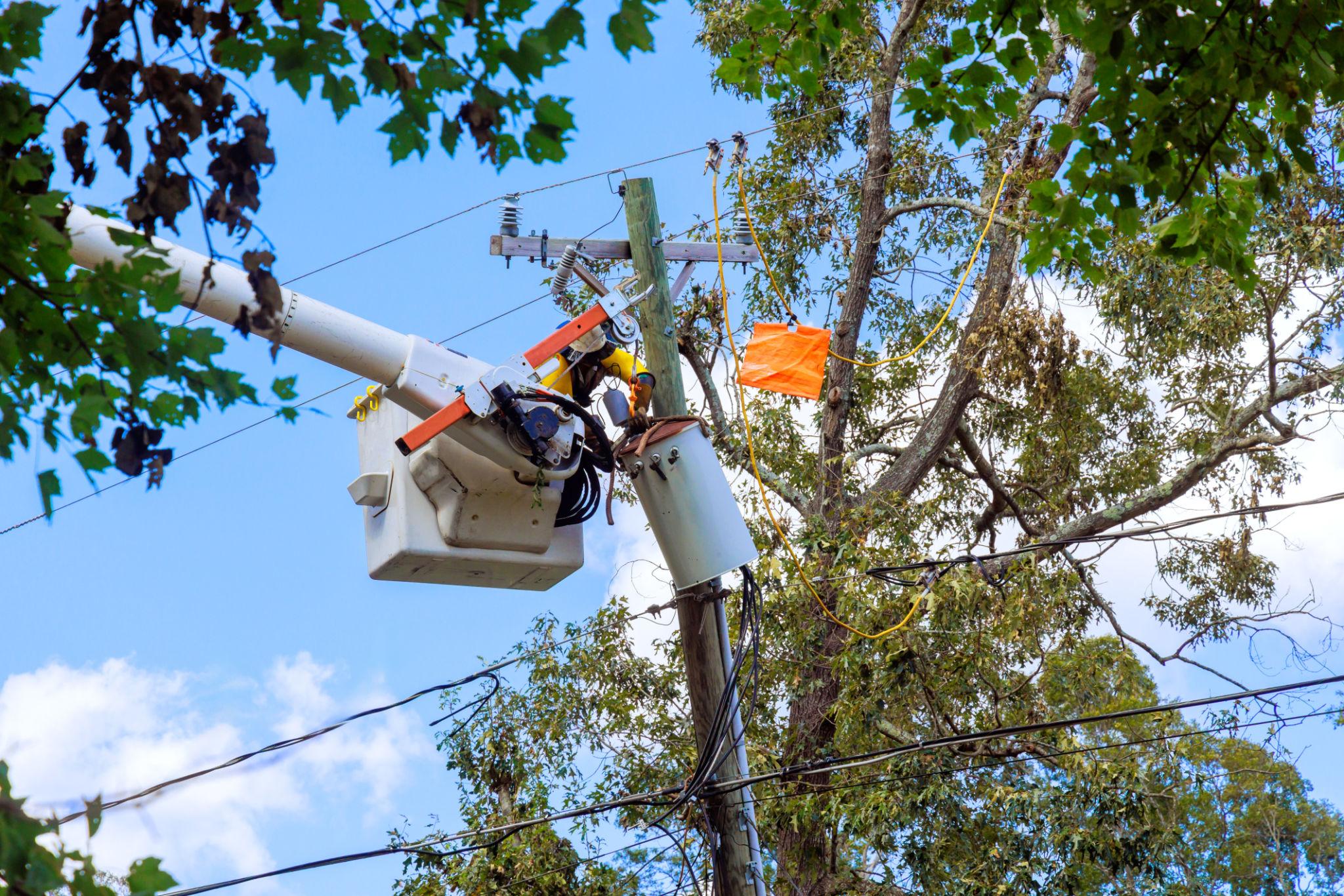
If you are serious about becoming a lineman, getting your CDL before applying can make you look more prepared. It shows employers that you understand the trade and are willing to handle the less glamorous parts of the job.
- It may make your application stronger.
- It may help you qualify for more apprenticeship openings.
- It shows you are serious about the work.
- It can help you become useful on a crew faster.
- It may give you options with utilities, contractors, and storm restoration companies.
That said, do not assume every program has the same rule. Some apprenticeships require a CDL before applying. Others may require a CDL permit, or they may allow you to earn it after being hired. Always read the specific job posting or apprenticeship requirements carefully.
Class A vs. Class B CDL for Linemen
For a future lineman, a Class A CDL is usually the safer bet because it covers a wider range of commercial vehicles and trailer combinations. A Class B CDL may still be useful, especially for certain straight trucks or bucket trucks, but Class A gives you more flexibility.
If you are paying for CDL training yourself, compare the cost difference between Class A and Class B. If the price difference is manageable, Class A may give you better long-term value.
The Bottom Line
You may be able to find some entry-level opportunities without a CDL, but you will likely be more competitive if you already have one. Lineman work is hands-on, physical, dangerous, and equipment-heavy. Employers want people who can work safely, travel when needed, and contribute to the crew.
If you are trying to break into the trade, getting your CDL can be one of the most practical steps you take before applying.

Thinking About Linework?
Before you spend money on school or training, study the requirements in your area. CDL requirements, apprenticeship rules, travel expectations, and physical demands can vary by employer.
Explore More Workforce Articles