
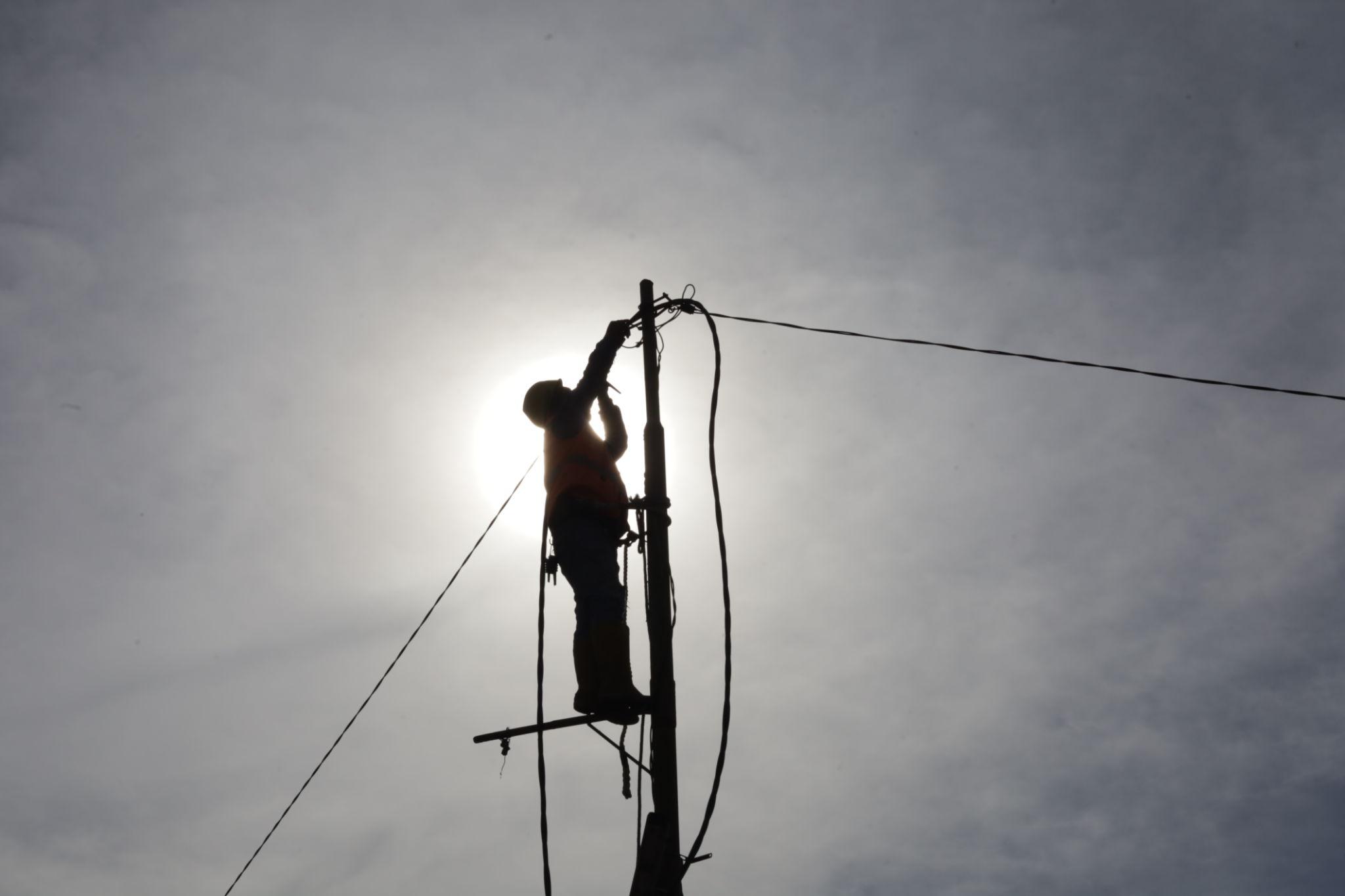
The Dangerous Reality of Skilled Trades Work
A lot of young men hear that the trades pay well. Fewer people explain why.
Some of the highest-paying blue-collar jobs involve real danger, brutal weather, physical exhaustion, and responsibilities that most people never experience sitting behind a desk. Linemen climb poles during storms. Welders work around sparks, heat, fumes, and heavy steel. Construction workers face heights, machinery, and unpredictable job sites every day.
This article is not designed to scare people away from skilled trades work. It is designed to tell the truth about it.
Why Some Trade Jobs Pay So Well
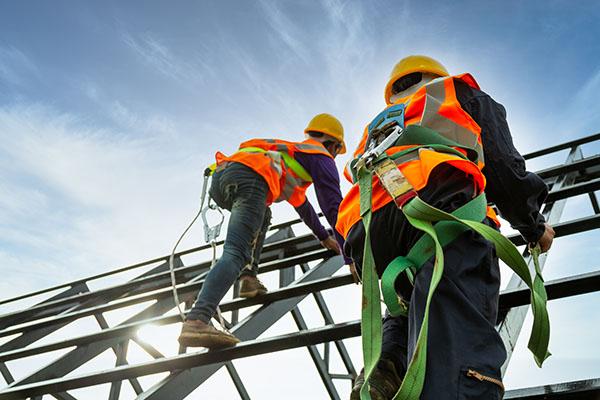
Many skilled trades careers can lead to strong incomes without requiring massive student loan debt. But there is usually a tradeoff behind those paychecks:
- Long hours and overtime
- Harsh weather conditions
- Physical wear on the body
- Dangerous environments
- Travel and time away from family
- High levels of responsibility
A lineman restoring power after a storm may be working 16-hour shifts around energized power lines in freezing rain. A welder may spend years around extreme heat and sparks. Roofers work high above the ground in dangerous summer temperatures.
The money often reflects the risk, difficulty, skill, and sacrifice involved.
Electrical and Lineman Work Can Be Extremely Dangerous
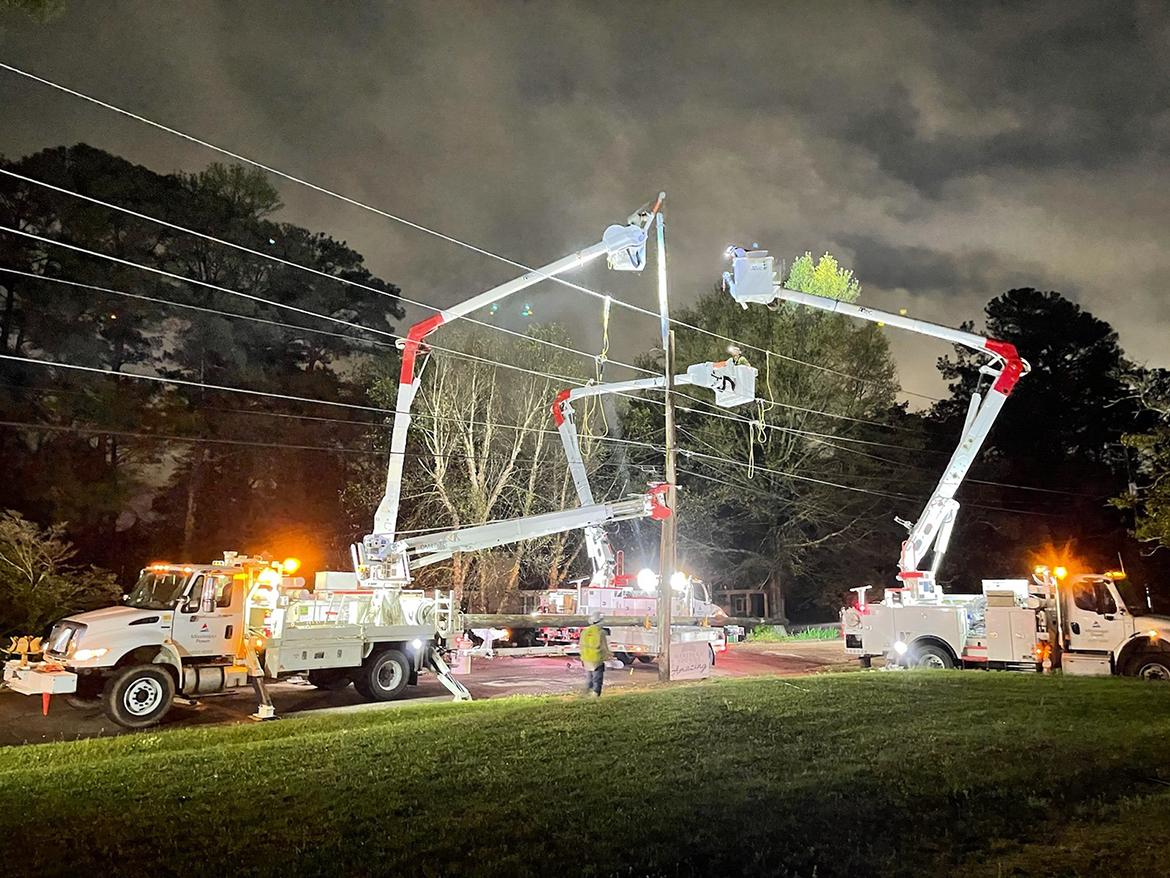
Utility line work is one of the clearest examples of high-risk skilled labor.
Linemen routinely work:
- At dangerous heights
- Near high-voltage power systems
- During storms and natural disasters
- At night with limited visibility
- On icy roads and unstable terrain
One mistake around electricity can permanently change or end a life. That reality creates a level of mental focus and discipline that many people outside the trades never fully understand.
Welding and Industrial Work Carry Their Own Risks
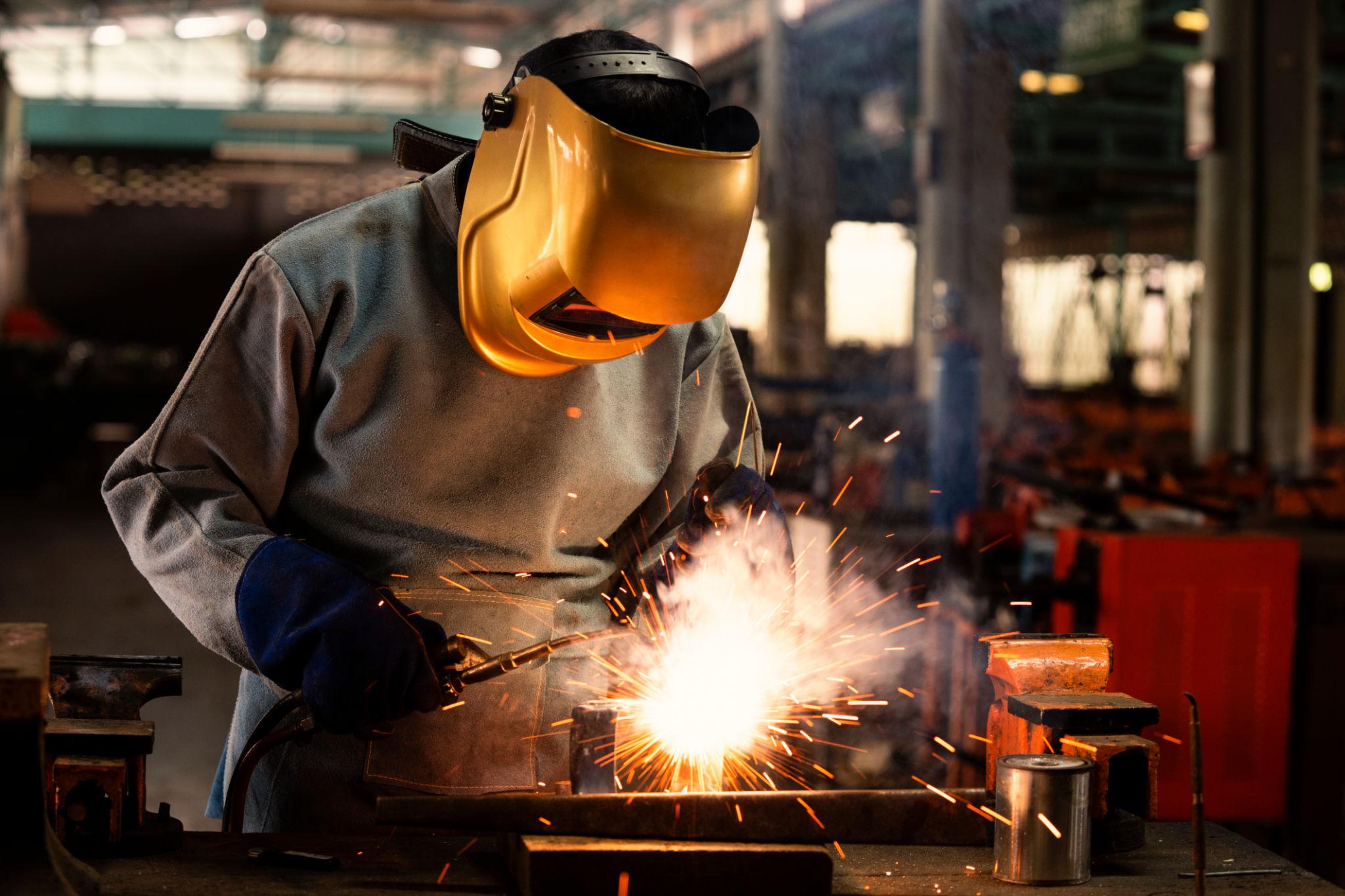
Welding is highly respected work — but it can also be physically demanding and dangerous over time.
Industrial trades workers often deal with:
- Extreme heat
- Sparks and burns
- Heavy materials and machinery
- Confined spaces
- Loud environments
- Long-term wear on joints, hearing, and lungs
These careers require attention to detail, endurance, and serious safety awareness.
Fatigue, Weather, and Exhaustion Are Part of the Job
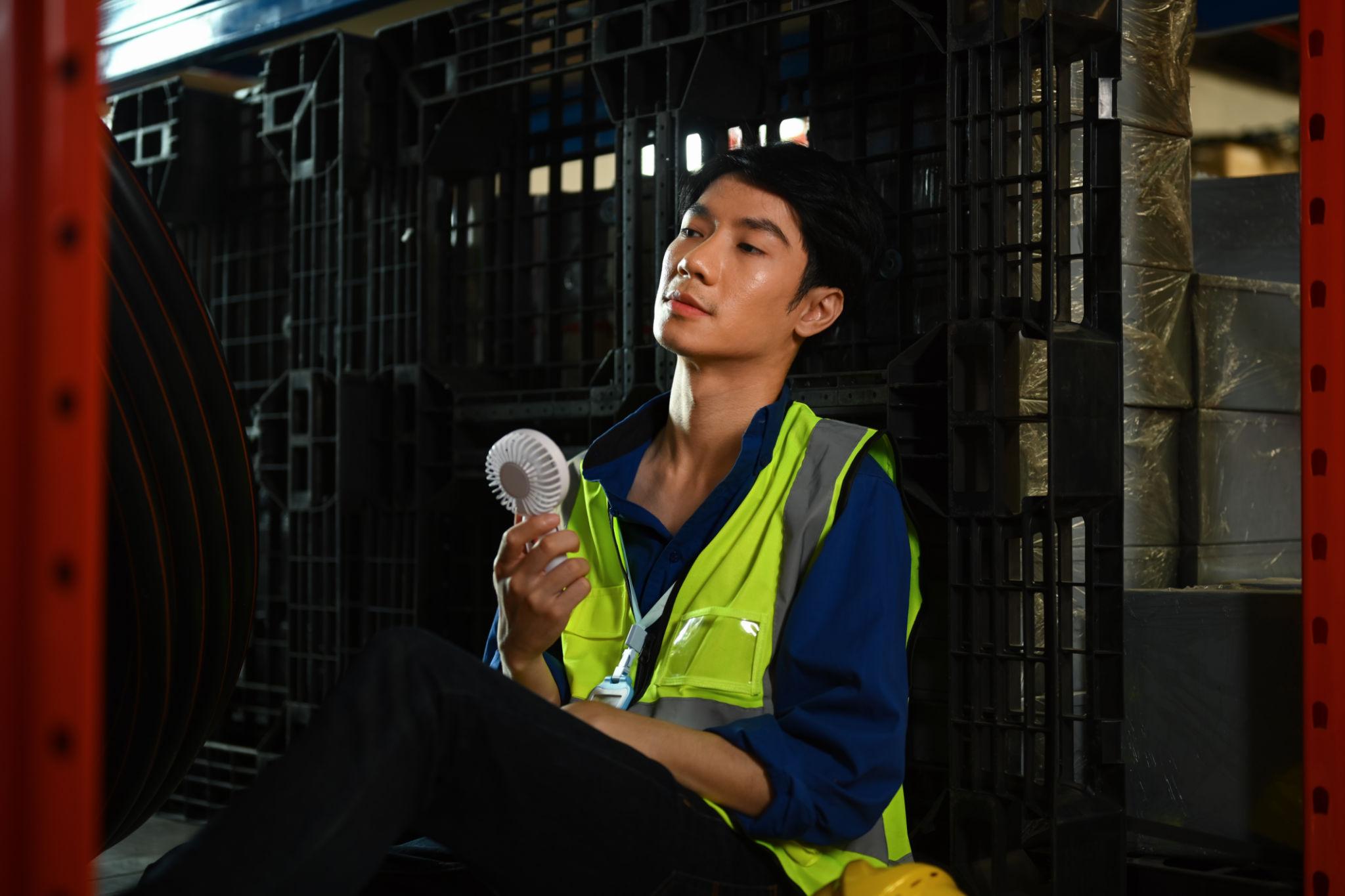
One thing social media rarely shows is the exhaustion behind the paycheck.
Storm crews may sleep in trucks or hotels away from home. Construction crews work through extreme summer heat. Winter jobs can involve ice, snow, mud, and freezing winds before sunrise.
Fatigue itself becomes dangerous. Long shifts and physical exhaustion increase the chances of mistakes, injuries, and poor decisions.
So Why Do People Still Choose These Careers?
Because despite the difficulty, many skilled trades workers genuinely love what they do.
There is purpose in building something real. There is pride in restoring power after a storm. There is meaning in learning difficult skills and becoming dependable under pressure.
Modern society depends on people willing to perform hard and dangerous work.
The trades are not for everyone. But for the right person, they can provide strong income, valuable skills, brotherhood, discipline, and purpose.
The important thing is understanding the reality before stepping into the work — not just the paycheck.