
Carpenter Salary Wisconsin (2026): Apprentice Pay, Overtime, Union vs Non-Union, and the Path to $100K
Carpentry is one of the most practical skilled trade paths in Wisconsin. You can earn while you learn, build real skills on real job sites, and grow into framing, finish carpentry, remodeling, commercial construction, or even your own business. The income ceiling depends heavily on skill growth, overtime, specialization, and whether you stay average or keep leveling up.
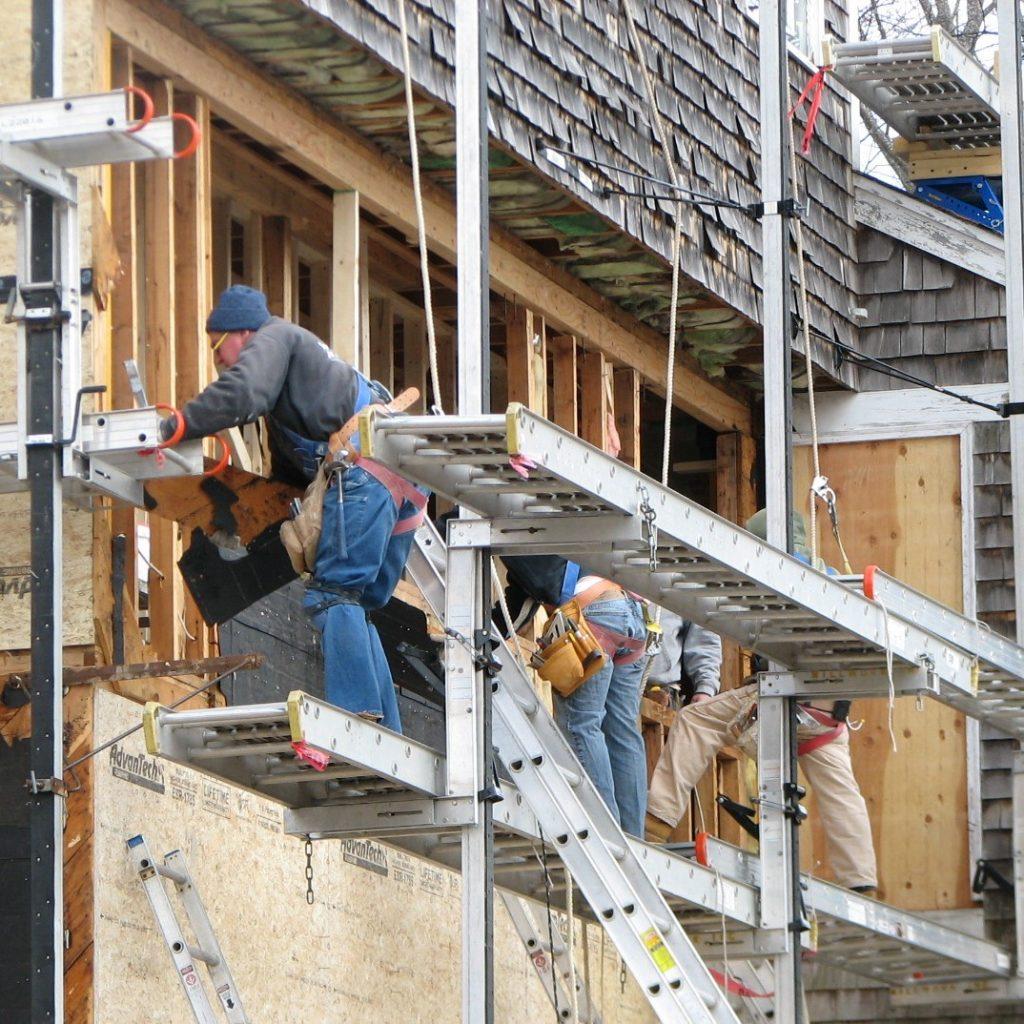
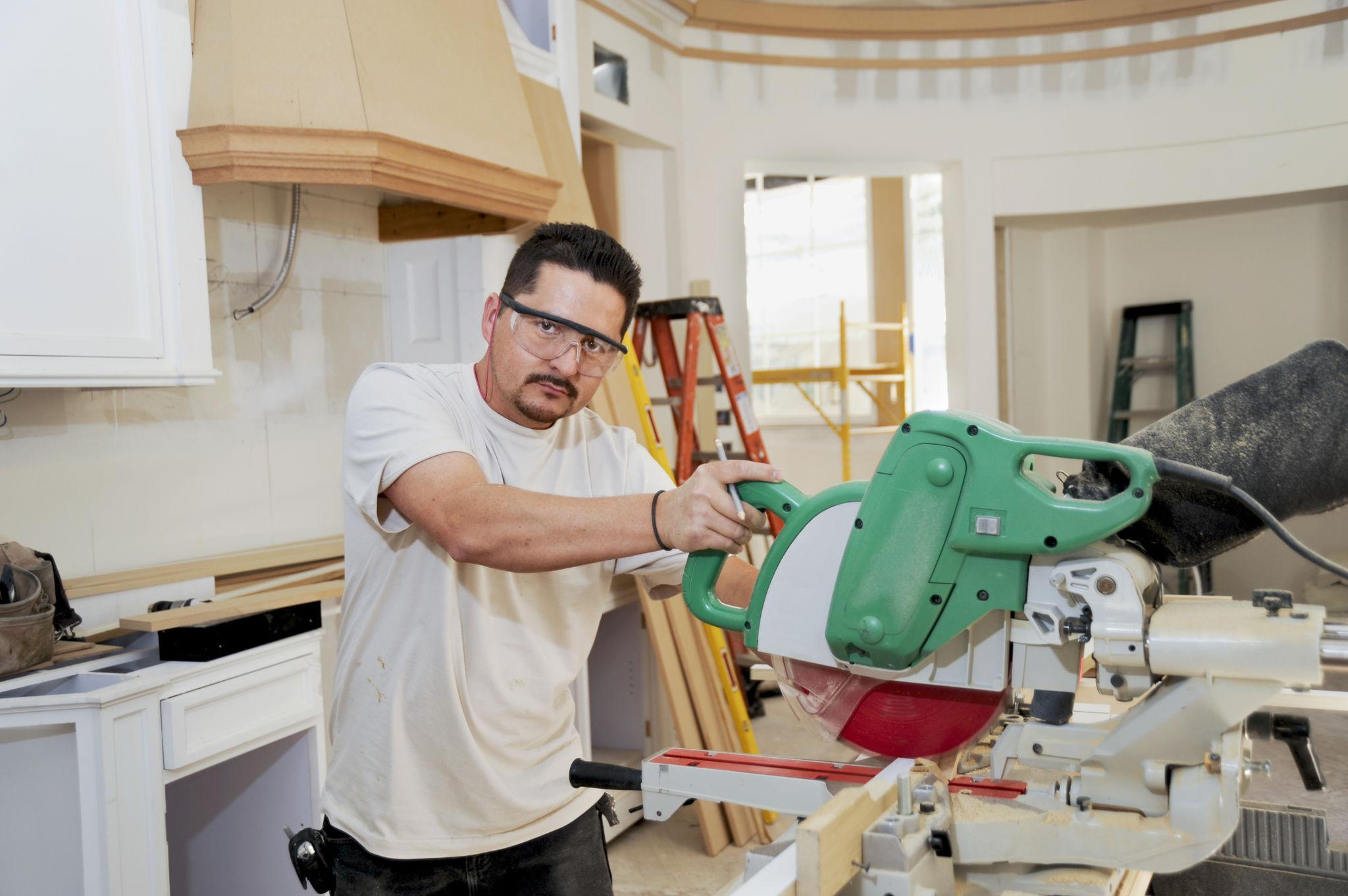
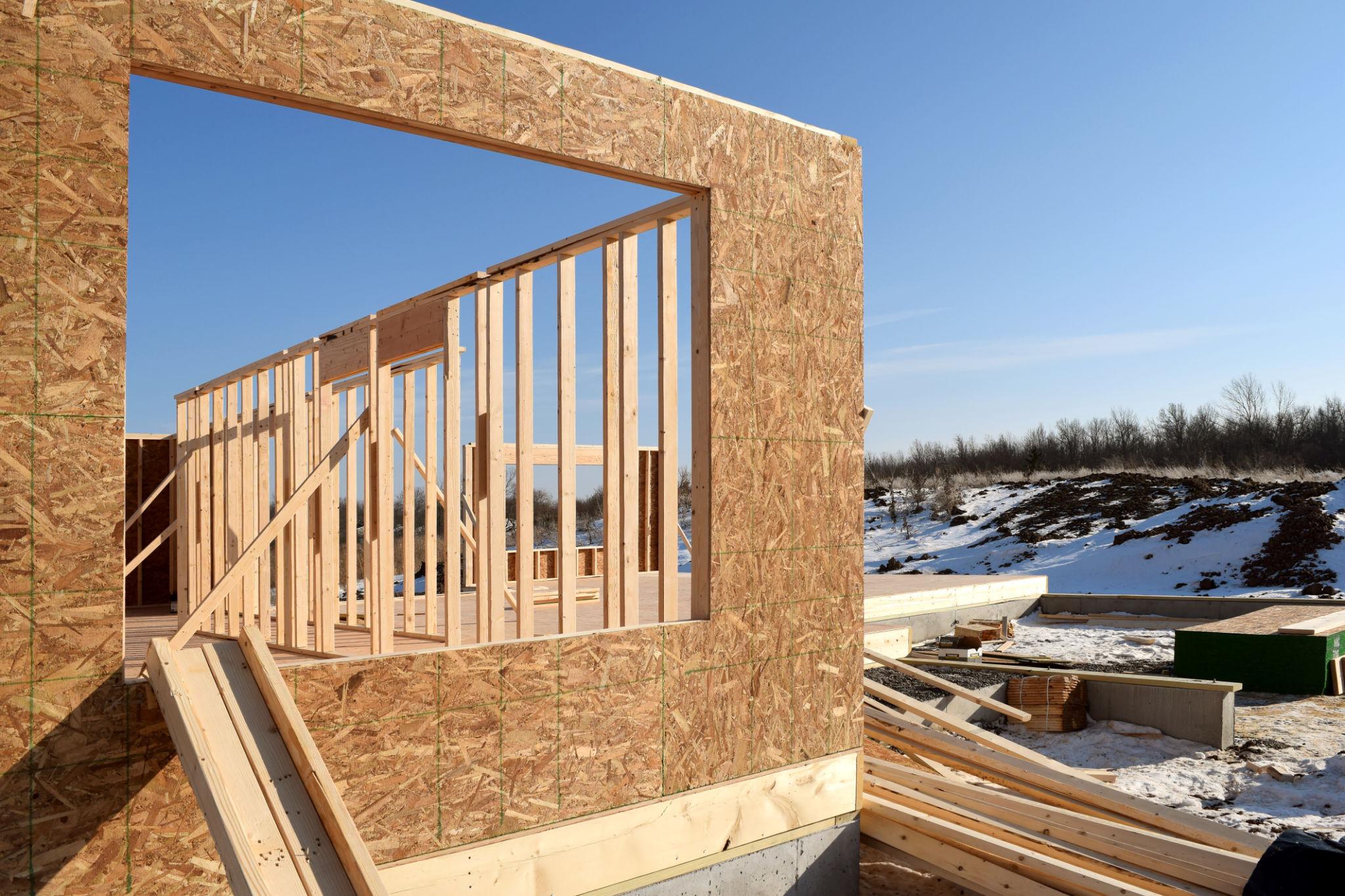
Real carpentry work in Wisconsin ranges from structural framing to precision finish work and remodeling.
Carpenter Apprenticeship at a Glance
- Time to complete: approximately 4 years
- On-the-job training: about 5,840 hours
- Paid classroom instruction: about 400 hours
- Extra requirements may include: First Aid/CPR, OSHA 10 or 30, and Transition to Trainer
- Career direction: framing, finish carpentry, remodeling, concrete form work, and commercial construction
Apprentice Pay (Year 1–4)
Carpentry apprentices in Wisconsin earn while they learn. Pay usually increases each year as skills, responsibility, and jobsite value grow.
- Year 1: $18–$24/hr
- Year 2: $22–$28/hr
- Year 3: $25–$32/hr
- Year 4: $28–$35/hr
By the end of the apprenticeship, many carpenters are already earning solid full-time income while others their age may still be paying for school.
Union vs Non-Union Carpentry
One of the biggest career decisions in carpentry is whether to work union or non-union. Both paths can lead to strong outcomes, but they offer different tradeoffs.
Union
- Higher hourly wages
- Strong benefits and pension
- Structured raises and training
- More competitive to enter
- Often stronger commercial opportunities
Non-Union
- Easier to get started quickly
- More flexibility in employer choice
- Faster path to side jobs
- Pay varies more by company
- Can be a strong route into remodeling or self-employment
Many carpenters start where they can get in fastest, then move toward better-paying or more specialized work as their skills grow.
The Overtime Reality
Overtime is one of the biggest income drivers in the trades. For many carpenters, this is where the difference between an average income and a strong income starts to show.
- Time-and-a-half pay on longer weeks
- Weekend work during busy seasons
- Extra earning potential through residential side jobs
- Higher income for dependable workers who can handle more responsibility
This is often the difference between a $50K job and an $80K+ income path.
Timeline to $80K–$100K
Reaching higher income levels in carpentry is realistic, but it depends on whether you keep growing. The trade has a wide spread between average outcomes and higher-skill outcomes.
- Years 0–2: Learning phase ($35K–$55K)
- Years 3–5: Skilled worker ($55K–$75K)
- Years 5–8: Advanced worker with overtime ($70K–$90K)
- Years 7+: Specialized, supervisory, or business path ($80K–$100K+)
Carpenters who move into finish work, leadership roles, commercial projects, estimating, or self-employment often reach higher income levels faster.
Real Example: How This Can Play Out
A 18-year-old starts a carpentry apprenticeship in Wisconsin:
- Year 1: $20/hr → roughly $40K/year
- Year 3: $28/hr → roughly $55K/year
- Year 5: $35/hr + overtime → roughly $70K+
- Year 7+: Side jobs + experience → $80K–$100K+
Meanwhile, someone on a traditional college path may still be finishing school, carrying debt, or just entering the workforce.
The difference is not just income. It is time, experience, skill accumulation, and financial momentum.
What carpenters actually do
Carpentry is broader than most people think. In Wisconsin, carpenters may work on homes, additions, decks, remodeling projects, commercial buildings, schools, hospitals, and concrete form work. Some stay in structural framing. Others move into finish work, trim, cabinetry, doors, stairs, and higher-skill interior work.
Why carpentry can be a strong path
- You get paid while learning instead of taking on college debt first.
- You build a practical skill that can create income for years.
- You can move into remodeling, estimating, supervision, or self-employment.
- You do not need to have your whole life figured out before starting.
- You can build visible, real-world results instead of waiting years to begin earning.
How apprenticeships work in Wisconsin
In Wisconsin construction trades, apprenticeship applications often go through local apprenticeship committees rather than one simple statewide employer list. That means the process can vary depending on your location and sponsor. Some people enter directly through a union or committee route. Others start with a contractor and work toward sponsorship.
What the path can look like
- Explore the trade and decide whether you are more interested in framing, finish carpentry, remodeling, or commercial work.
- Apply through official Wisconsin apprenticeship resources and local construction apprenticeship channels.
- Start earning while gaining hands-on training and classroom instruction.
- Build skills that increase your value, not just your hours.
- Level up over time into better-paying work, leadership, specialization, or self-employment.
Who carpentry is good for
Carpentry can be a strong fit for people who want real work, visible results, hands-on learning, and a path that does not require sitting in a classroom for four years before earning income. It especially makes sense for people who may want to own a remodeling business, do side work, or build toward long-term independence.
Official Wisconsin apprenticeship links
Want help choosing a Wisconsin apprenticeship path?
Patriot Pilgrim exists to help young people and working adults find practical career paths with real opportunity. If you are considering carpentry, trades, manufacturing, healthcare, or IT, start with clarity and take the next step.