
Lineman Overtime: The Money, the Lifestyle, and the Reality Behind the Paychecks
A lot of people hear that linemen make six figures and immediately assume the job is “easy money.” What they usually do not see is the overtime — the long nights, storm calls, 16-hour shifts, missed holidays, and physical wear that often come with the paycheck.
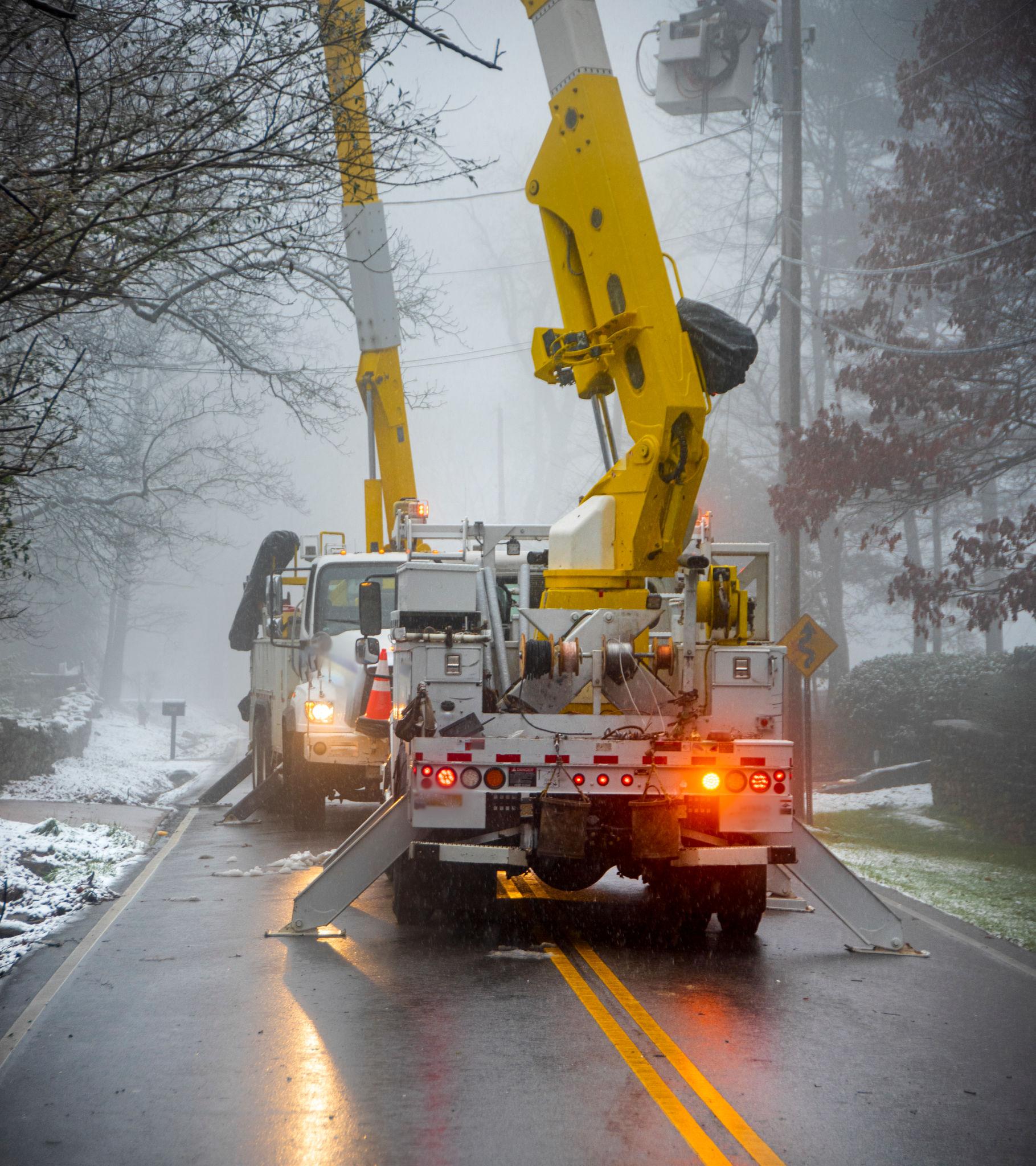
For many linemen, overtime is not just “extra hours.” It is the foundation of their income. And for young men looking into the trade, understanding overtime is one of the most important parts of understanding the career itself.
Why Linemen Make So Much Money
The electrical grid never sleeps. When power goes out, utilities need crews immediately — whether it is midnight, a blizzard, tornado damage, or a major hurricane. That urgency creates massive demand for skilled workers willing to work long hours under dangerous conditions.
A lineman’s base hourly wage can already be strong, especially in union areas. But overtime is where earnings often climb dramatically.
- 50–70 hour weeks during busy seasons
- Emergency callouts
- Overnight restoration work
- Storm deployment assignments
- Double-time Sundays or holidays
- Travel assignments away from home
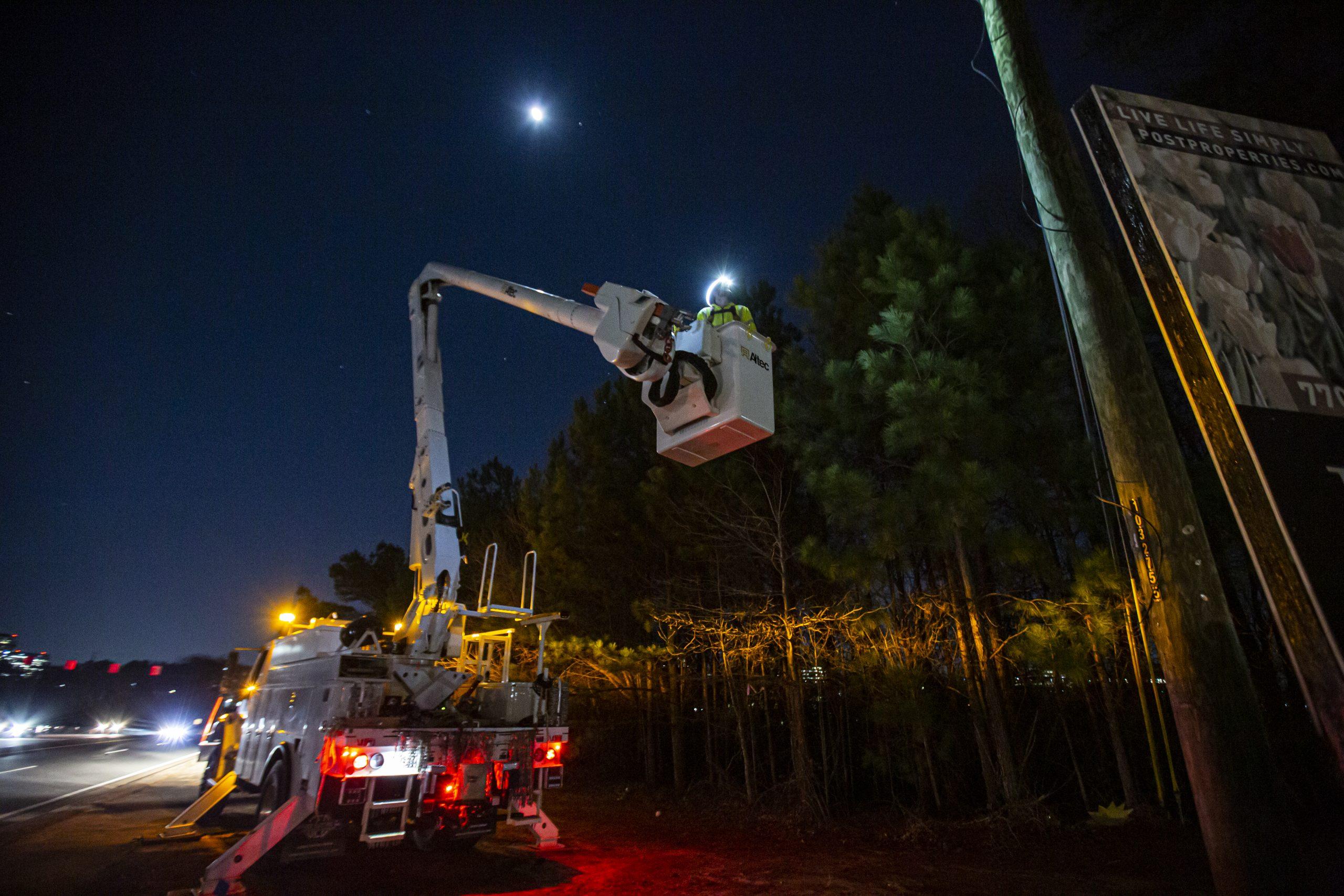
Storm Work Changes Everything
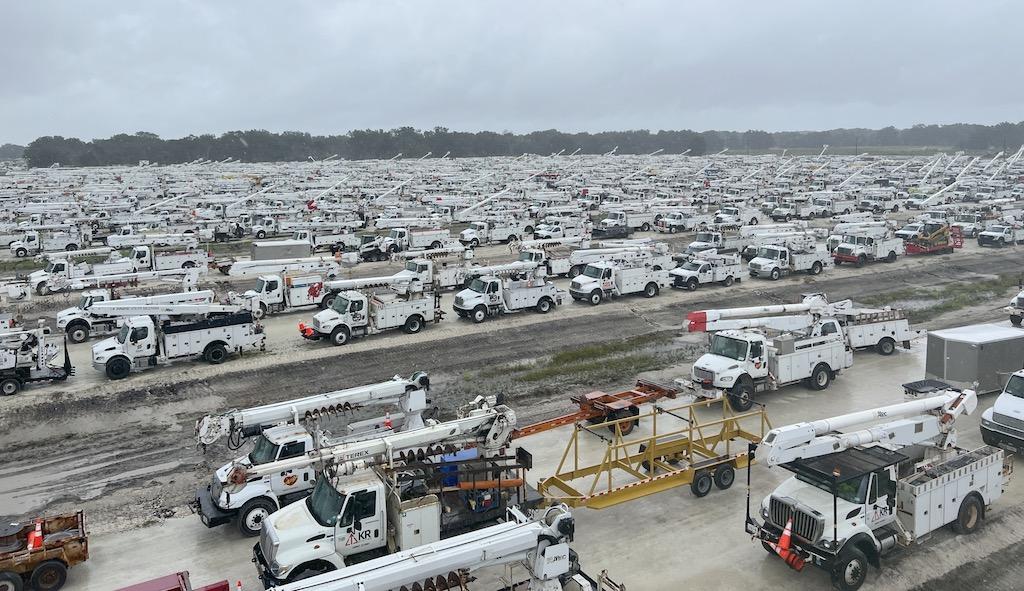
Storm restoration is where the public suddenly notices linemen. After hurricanes, ice storms, tornadoes, or severe wind events, utility companies often bring in crews from across the country.
These deployments can involve 16-hour shifts, consecutive workdays, hotel stays, dangerous weather, high-pressure timelines, and serious fatigue. The pay can become substantial because many hours may be paid at overtime or double-time rates.
The Reality Nobody Talks About
There is a difference between wanting overtime and wanting the lifestyle that comes with overtime. A young apprentice may hear that a journeyman made $200,000 or more in a year, but they may not hear about the months away from family, missed weekends, dangerous conditions, and years of physical wear.
That does not make the career bad. It makes it real. The money is often earned through sacrifice, risk, discipline, and availability.
Why Some Linemen Chase Overtime
For many workers, overtime becomes a financial weapon. A disciplined lineman can use high-earning years to pay off debt, buy a house, build savings, invest aggressively, support a family, or create long-term financial freedom.
The danger is lifestyle inflation. If every overtime check turns into a bigger truck, more payments, and more spending, the opportunity can disappear quickly.
Apprentices Should Understand This Early
If you are considering the lineman trade, ask yourself more than “How much can I make?” Ask whether you can handle the lifestyle.
- Can I handle long hours consistently?
- Am I okay missing some holidays?
- Can I work outside in difficult conditions?
- Am I mentally prepared for fatigue?
- Do I actually enjoy physical work?
- Can I stay disciplined with money if I start earning more?
The Brotherhood and Pride of the Work
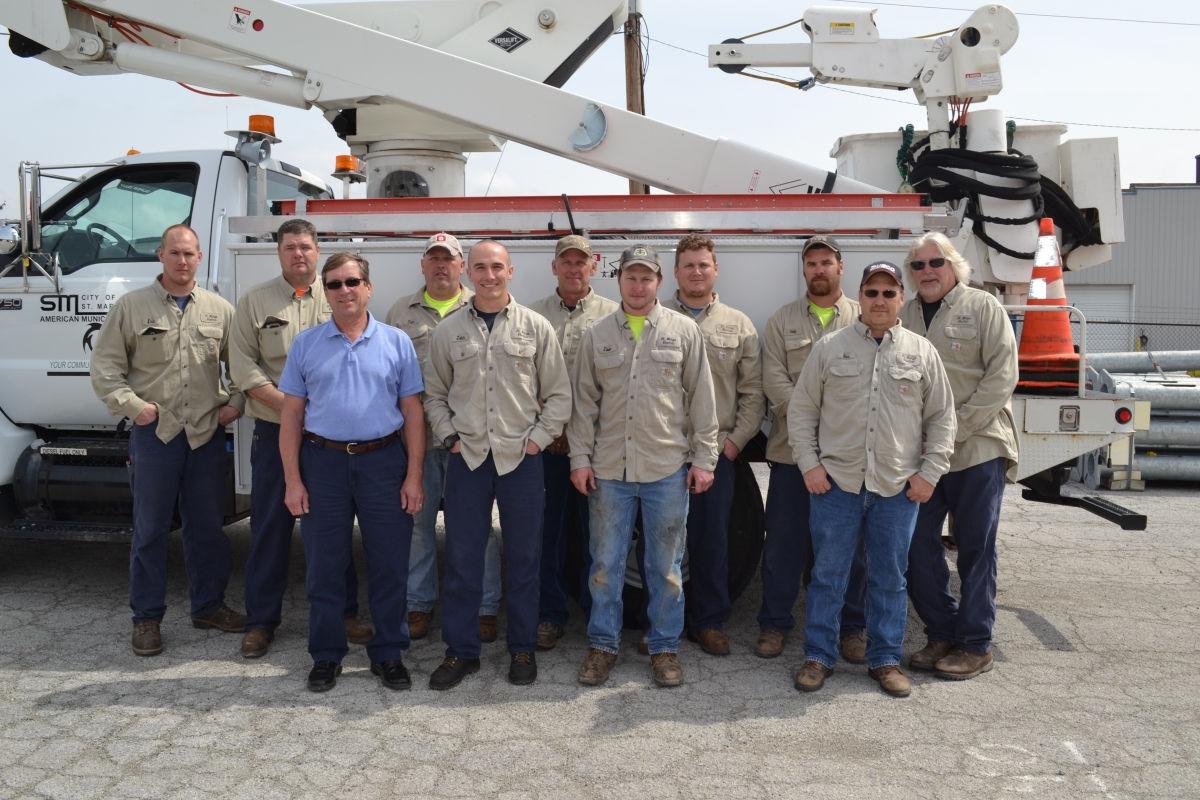
Despite the long hours, many linemen genuinely love the trade. There is pride in restoring power to entire communities. There is pride in mastering dangerous work that few people can do. And there is a strong culture of teamwork among crews who depend on each other in difficult conditions.
Final Thoughts
The lineman trade can absolutely provide an incredible living. But the high earnings often come from overtime, storm response, and a willingness to endure difficult conditions that many people would avoid.
Some people see overtime as suffering. Others see it as opportunity. In the lineman world, that mindset difference matters.