
Building Skills • Forging Faith
Career pathways • Skilled trades • Updated October 5, 2026
When Americans think of the trades, they often picture carrying lumber, digging trenches, or hauling equipment. But skilled work also includes repairing tiny mechanisms, programming machines, and testing the equipment hospitals depend on.
For someone entering the workforce or changing careers after years of demanding work, physical sustainability belongs in the decision. You can value hard work and still choose a career with less heavy lifting.
Quick answer: Watch repair, bench jewelry, and primarily computer-based CNC programming are strong starting points for people seeking lighter physical work. Laboratory and small-equipment repair specialties also deserve consideration.
How We Ranked These Careers
This is Patriot Pilgrim’s editorial ranking, informed by BLS and O*NET descriptions. We considered heavy lifting, strenuous movement, climbing, awkward positions, and opportunities for seated or bench work. It is not an official government ranking or a measured comparison of injury rates.
We use “trades” broadly to include skilled repair, fabrication, and manufacturing specialties. The ranking applies to the lighter versions named below. Fine handwork still counts as manual work, and repetitive tasks can be tiring.
What Do These Careers Pay?
Physical demands are only part of a career decision. Compare earnings with training costs, local opportunities, and the duties you would actually perform.
| Rank / career | Annual median | Hourly equivalent | Wage source occupation |
|---|---|---|---|
| 1. Watch repair technician | $67,230 | $32.32 | Watch and clock repairers |
| 2. Bench jeweler | $52,540 | $25.26 | Jewelers and precious stone and metal workers |
| 3. CNC programmer | $68,120 | $32.75 | CNC tool programmers |
| 4. Dental laboratory technician | $49,610 | $23.85 | Dental laboratory technicians |
| 5. Small-electronics bench repair | $74,090* | $35.62* | Commercial and industrial electronics repairers: related benchmark only |
| 6. Laboratory calibration technician | $67,820 | $32.61 | Calibration technologists and technicians |
| 7. Ophthalmic laboratory technician | $39,460 | $18.97 | Ophthalmic laboratory technicians |
| 8. Biomedical equipment technician | $61,660 | $29.64 | Medical equipment repairers |
| 9. Locksmith | $51,320 | $24.67 | Locksmiths and safe repairers |
| 10. Avionics bench repair technician | $82,280 | $39.56 | Avionics technicians |
Pay figures are U.S. national employee medians for May 2025, not starting salaries. Half of workers earn more and half earn less. Hourly equivalents are calculated as annual pay divided by 2,080 hours; actual hours and compensation arrangements vary. Figures cover the named source occupations, including work beyond the lighter specialties ranked here, and do not describe self-employed business income.
*The electronics figure is a related commercial/industrial repair benchmark, not a published median for small-device bench repair.
The Top 10: From Lighter Work to More Variable Demands
Watch Repair Technician
National median pay: $67,230/year · about $32.32/hour.
Occupation-wide median; the lighter specialty may pay differently.
2025 wage source
.
Watchmakers clean, adjust, and repair small timekeeping mechanisms. Much of the work can happen seated at a bench with magnification and precision tools.
Why it ranks highly: Small components and little need for heavy lifting. O*NET reports that 69% of watch and clock repair respondents sit continually or almost continually.
Watch for: Continuous hand use and neck or eye strain. Servicing large clocks changes the workload.
Bench Jeweler
National median pay: $52,540/year · about $25.26/hour.
Occupation-wide median; the lighter specialty may pay differently.
2025 wage source
.
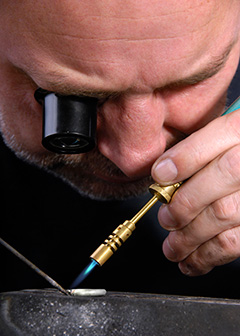
Bench jewelers resize rings, repair settings, solder pieces, and create jewelry. Their craft rewards steady hands and attention to detail.
Why it ranks highly: BLS describes substantial time sitting at a workbench or standing at a polishing station.
Watch for: Repetitive movements, fumes, and hot tools. Look for supervised bench training, an apprenticeship, or a relevant school program.
CNC Programmer
National median pay: $68,120/year · about $32.75/hour.
Occupation-wide median; the lighter specialty may pay differently.
2025 wage source
.
Computer numerical control programmers develop instructions that guide machine tools. The work combines manufacturing knowledge, software, and problem-solving.
Why it ranks highly: A position focused on programming can involve considerably less material handling than machine operation.
Watch for: Combined programmer-machinist jobs may include heavy stock, fixtures, and lengthy standing. Ask how much time is devoted to programming versus setup. Machining experience may be part of the route into this specialty.
Dental Laboratory Technician
National median pay: $49,610/year · about $23.85/hour.
Occupation-wide median.
2025 wage source
.
These technicians fabricate crowns, bridges, dentures, and other dental products. The work blends precision hand skills with equipment and digital design.
Why it makes the list: Small-scale fabrication in a laboratory offers an alternative to carrying construction materials.
Watch for: Repetitive handwork and prolonged sitting or standing. BLS describes on-the-job training as a common entry route.
Small-Electronics Bench Repair Technician
Related pay benchmark: $74,090/year · about $35.62/hour.
Related commercial/industrial repair benchmark; a separate
small-device bench median is not available in this source.
2025 wage source
.
Bench technicians diagnose faults and repair small electronic devices or circuit boards using test instruments and fine tools.
Why it makes the list: A workstation handling small devices can keep lifting demands low.
Watch for: “Electronics repair” covers many jobs. Industrial repair can include components exceeding 50 pounds. Confirm the actual equipment involved and investigate electronics training.
Laboratory Calibration Technician
National median pay: $67,820/year · about $32.61/hour.
Occupation-wide median; the lighter specialty may pay differently.
2025 wage source
.
Calibration technicians test and adjust measuring instruments to ensure they perform accurately. Documentation and careful procedures are central to the work.
Why it makes the list: Laboratory roles can emphasize testing small instruments at a bench.
Watch for: Plant and field assignments may involve travel, standing, and equipment handling. BLS identifies an associate degree or other technical training as a typical preparation route.

Ophthalmic Laboratory Technician
National median pay: $39,460/year · about $18.97/hour.
Occupation-wide median.
2025 wage source
.
Ophthalmic laboratory technicians make and finish eyeglass lenses, often using automated equipment.
Why it makes the list: The products are small, and machinery performs important production steps.
Watch for: Repetition and standing can still dominate a shift. Ask about workstation arrangements and production pace. Employer training is a common route.
Biomedical Equipment Technician
National median pay: $61,660/year · about $29.64/hour.
Occupation-wide median; the lighter specialty may pay differently.
2025 wage source
.
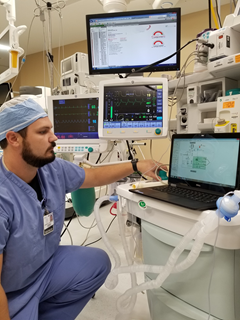
Biomedical equipment technicians maintain and repair patient-care equipment. A specialty involving monitors, infusion pumps, and other smaller devices is worth investigating.
Why it makes the list: Testing and troubleshooting may account for substantial work time.
Watch for: Hospital walking, awkward access, on-call duties, and lifting. Large imaging systems or hospital beds can make a role much heavier. Clinical familiarity helps provide context, but repair work requires technical preparation.
Locksmith
National median pay: $51,320/year · about $24.67/hour.
Occupation-wide median; the lighter specialty may pay differently.
2025 wage source
.
Locksmiths cut keys, rekey locks, and repair locking mechanisms. Shop work and lighter service calls can offer practical craftsmanship without constant heavy carrying.
Why it makes the list: Many tasks involve relatively small tools and components.
Watch for: Kneeling, drilling, mobile service, and emergency calls. Safes, vaults, and heavy door hardware are more demanding. Check local requirements and supervised training options.
Avionics Bench Repair Technician
National median pay: $82,280/year · about $39.56/hour.
Occupation-wide median; the lighter specialty may pay differently.
2025 wage source
.
Avionics technicians work on aircraft electronic systems. Component testing and repair in a workshop are the specialties to investigate for lighter work.
Why it makes the list: Bench assignments can emphasize electronic diagnosis and precision repair.
Watch for: Aircraft installation and flight-line duties involve more reaching, climbing, noise, and awkward positions. Confirm the aviation training and qualifications the employer requires.
Ask These Questions Before Accepting a Job
- What is the heaviest item I must lift, and how often?
- How much of the shift involves sitting, standing, kneeling, or climbing?
- Does the position include installation, delivery, or material handling?
- Are lifting aids and adjustable workstations available?
- Can I observe the work or speak with a current technician?
- What training is required, and what does the employer provide?
A job title is a starting point. A detailed conversation about daily duties tells you much more about whether the work fits your abilities and long-term goals.
Compare Training Costs With Local Opportunities
Before paying for a program, examine openings within commuting distance. Compare advertised pay, credentials, schedules, and physical requirements. Ask schools which local employers hire their graduates and whether their training prepares you for the specific specialty you want.
Some of these are small career fields. A low physical workload does not automatically mean plentiful openings, high starting pay, or a quick path to self-employment.
Frequently Asked Questions
Which trade involves the least heavy lifting?
Small-component watch repair and bench jewelry are strong candidates. Primarily computer-based CNC programming can also be light physically, provided the employer separates programming from heavy machine setup.
Are these careers completely free of physical strain?
No. Seated precision work can strain hands, eyes, necks, and backs. Consider repetition and workstation design alongside lifting requirements.
Can I enter every career without college?
Entry routes differ. Some rely heavily on employer training; others commonly require technical education or relevant experience. Check the employer’s requirements before choosing a program.
Build a Skill You Can Sustain
Honest work takes many forms. Repairing a watch, producing a dental crown, or keeping medical equipment functioning can all serve other people through skilled craftsmanship.
Choose two careers from this list, investigate local openings, and talk to someone doing the work. Look for a path that fits your strengths, supports your responsibilities, and gives you room to keep learning.
Patriot Pilgrim — Building Skills. Forging Faith.
Sources and Image Credits
Career and wage sources are linked in the comparison table and each ranked section. BLS provides occupational duties, work environments, training descriptions, and wage data; O*NET provides task and work-context information and reports BLS wage data.
The ordering and assessments of lighter specialties are Patriot Pilgrim’s editorial judgments. Photos are sourced from the linked BLS jewelry, calibration, and medical equipment repair profiles. Employer duties and hiring requirements vary.