

10 Careers That Can’t Be Easily Replaced by AI
Artificial Intelligence is changing the world at an incredible pace. AI can write essays, generate images, answer questions, analyze data, and even create computer code. As technology continues to advance, many young people are asking an important question:
Will my future job still exist in 20 years?
While no career is completely immune to technological change, some professions are far more resistant to automation than others. Jobs that require hands-on work, human judgment, physical presence, creativity, leadership, and personal relationships remain difficult for AI and robots to replace.
Here are ten careers that are likely to remain in high demand for decades to come.
1. Electrician
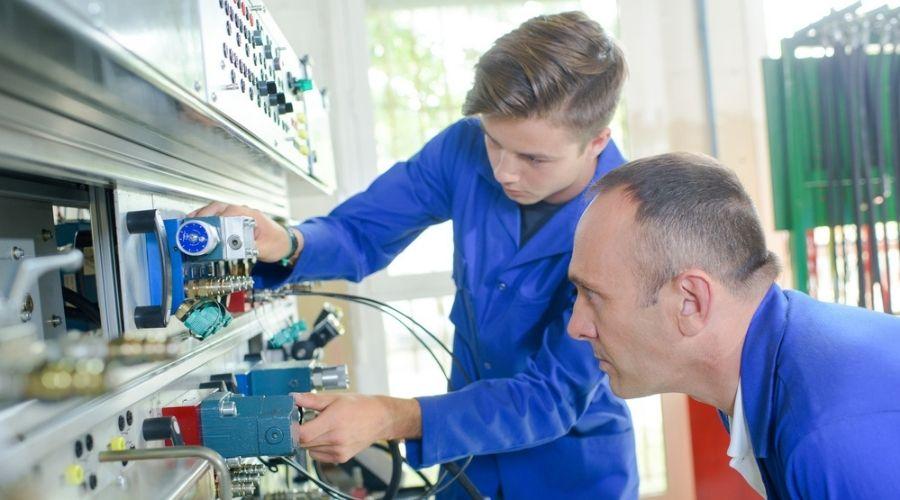
Electricians install, maintain, and repair electrical systems in homes, businesses, factories, and power infrastructure.
While AI can help design electrical systems, it cannot easily crawl through attics, pull wire through walls, troubleshoot faulty circuits, or safely work in thousands of unique environments.
As America expands its power grid, electric vehicle charging networks, solar installations, and data centers, demand for electricians continues to grow.
Why AI won’t replace it:
- Physical work
- Problem solving in unique situations
- Safety requirements
- On-site presence required
2. Plumber

Every building needs clean water and reliable drainage systems. Plumbers install and repair pipes, fixtures, water heaters, and sewer systems.
Unlike digital jobs, plumbing problems happen in the real world and often require immediate human intervention.
No AI system can currently crawl into a basement, replace a leaking pipe, or diagnose a hidden plumbing issue behind a wall.
Why AI won’t replace it:
- Hands-on work
- Emergency service calls
- Unique building layouts
- Human judgment
3. HVAC Technician
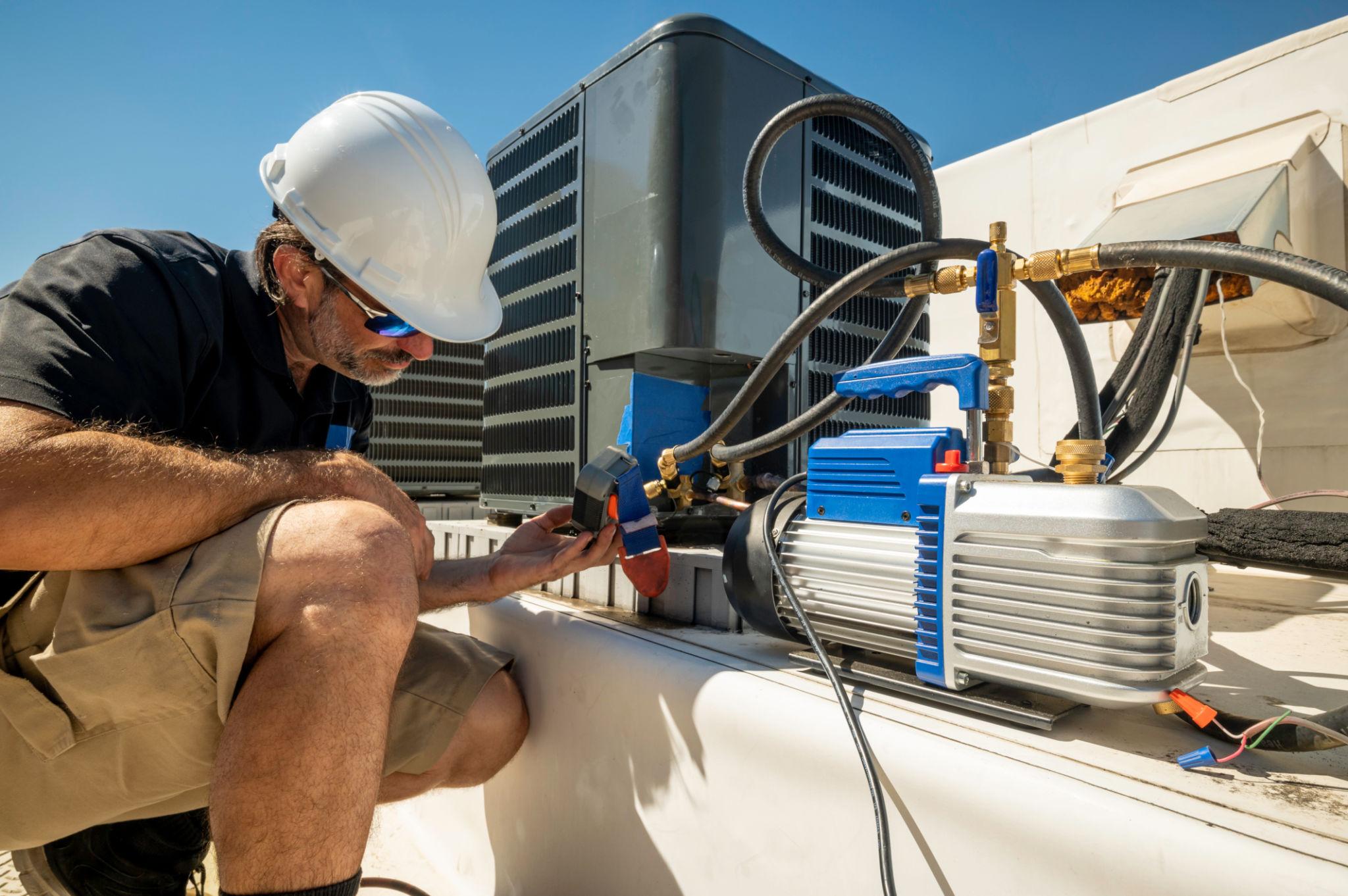
Heating and cooling systems require installation, maintenance, and repair. HVAC technicians work with furnaces, air conditioners, heat pumps, and ventilation systems.
As homes become more energy efficient and climate control technology advances, demand for skilled technicians continues to increase.
Why AI won’t replace it:
- Mechanical troubleshooting
- Physical installation
- On-site diagnostics
- Customer interaction
4. Firefighter and Paramedic

When someone experiences a heart attack, severe injury, or house fire, they need trained professionals to respond immediately.
Emergency responders make life-and-death decisions in unpredictable environments where human judgment is critical.
Technology can assist first responders, but it cannot replace compassion, courage, and rapid decision-making under pressure.
Why AI won’t replace it:
- Human interaction
- Emergency judgment
- Physical rescue operations
- Public trust
5. Registered Nurse

Healthcare requires more than medical knowledge. Nurses provide patient care, emotional support, monitoring, and communication.
Patients often need reassurance and human connection during some of the most difficult moments of their lives.
AI can assist with diagnostics and record keeping, but human caregivers remain essential.
Why AI won’t replace it:
- Compassion
- Patient care
- Critical thinking
- Human trust
6. Construction Manager
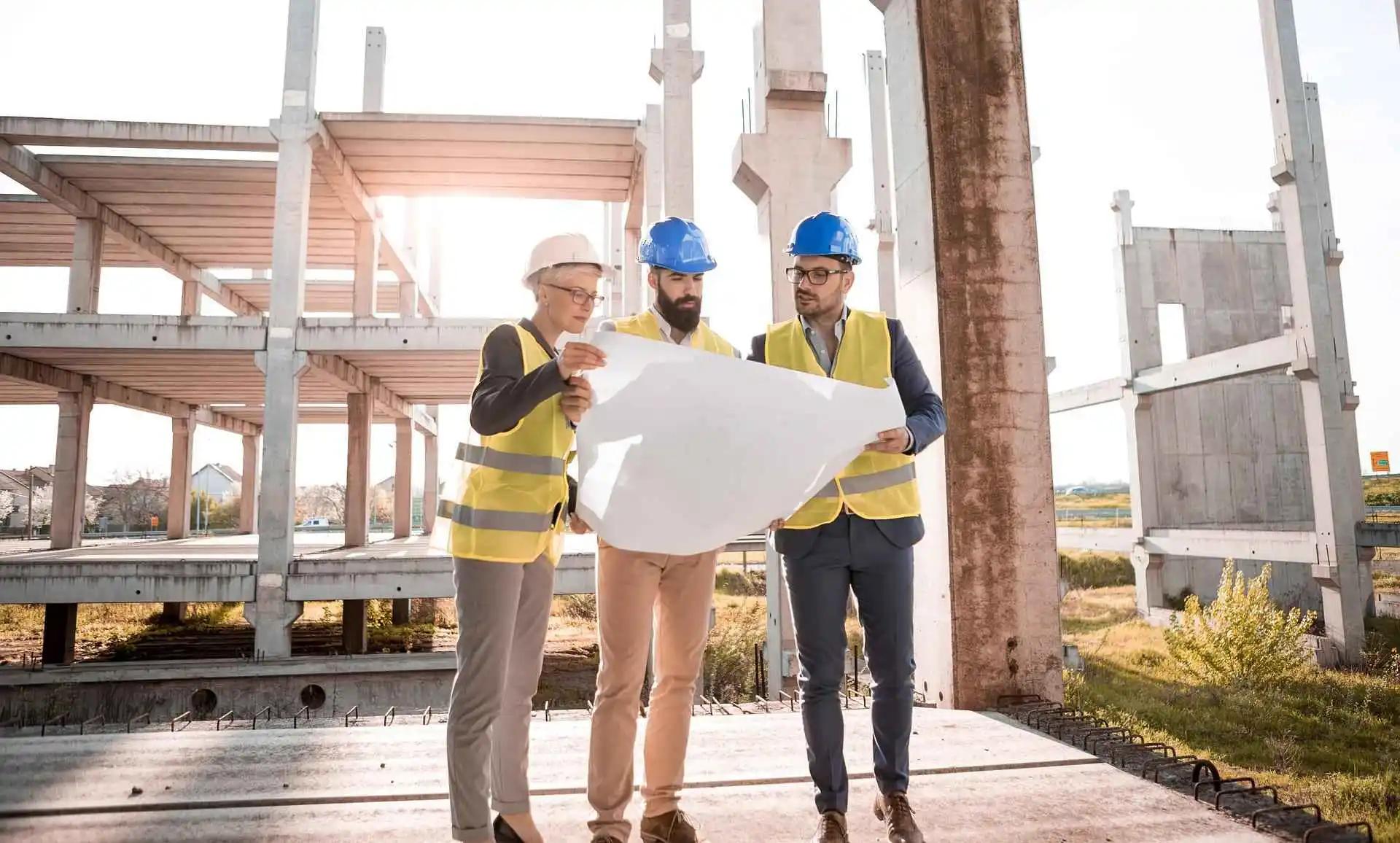
Construction projects require leadership, coordination, scheduling, budgeting, and problem solving.
Every building site presents unique challenges that require human oversight and decision-making.
As infrastructure projects increase across the country, experienced construction managers remain highly valuable.
Why AI won’t replace it:
- Leadership
- Team coordination
- Complex decision-making
- Real-world problem solving
7. Skilled Carpenter
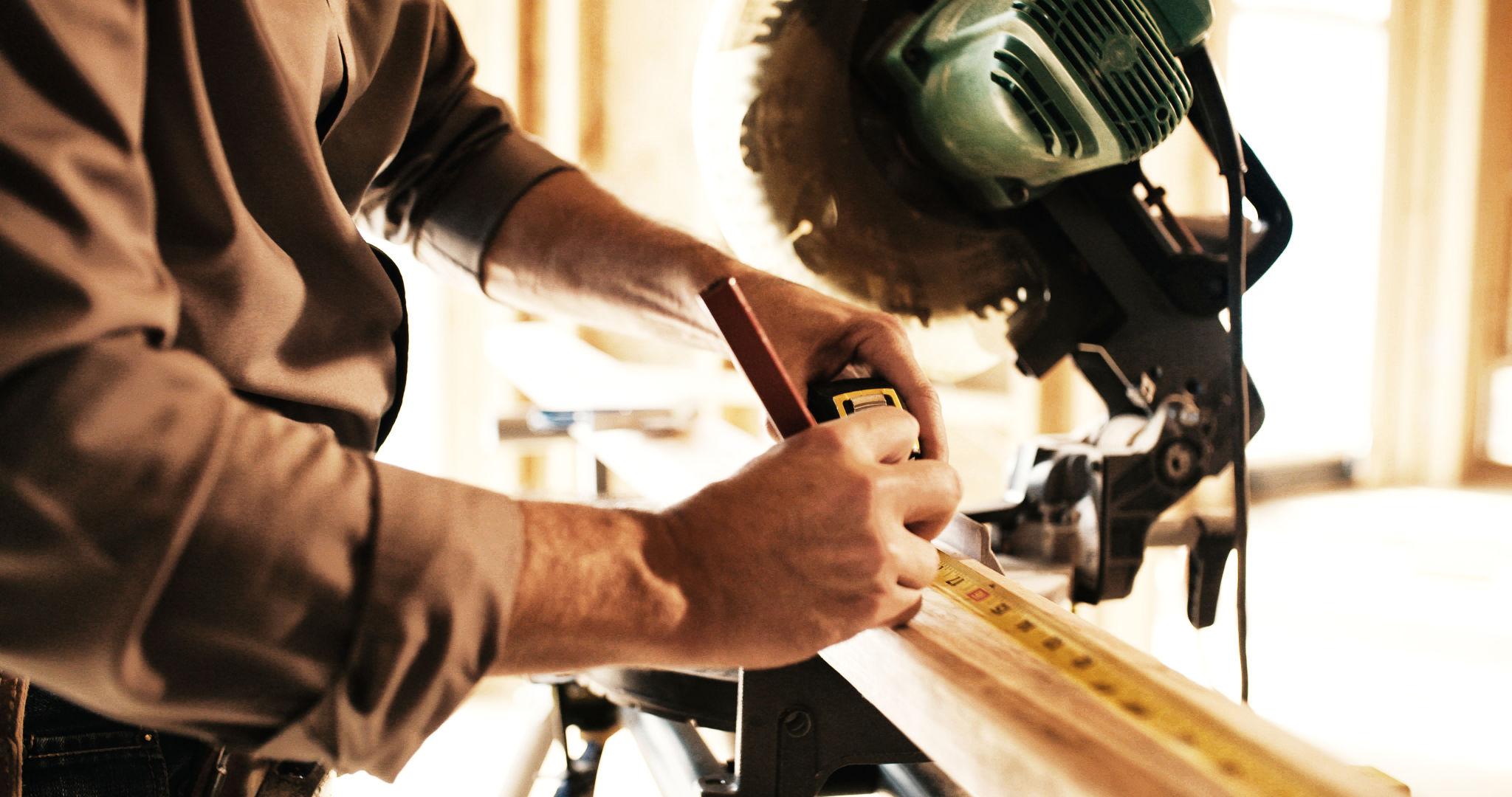
Carpenters build homes, install cabinetry, frame buildings, and complete finish work.
Every project presents different measurements, materials, and site conditions.
While machines can assist with manufacturing, skilled carpenters still provide craftsmanship that cannot easily be automated.
Why AI won’t replace it:
- Physical craftsmanship
- Adaptability
- Custom work
- Problem solving
8. Cybersecurity Specialist

Ironically, the rise of AI may increase demand for cybersecurity professionals.
As technology becomes more advanced, organizations need experts to defend networks, investigate threats, and protect sensitive information.
Cybersecurity requires strategic thinking and adapting to constantly changing threats.
Why AI won’t replace it:
- Adversarial thinking
- Rapid adaptation
- Security expertise
- Human oversight
9. Teacher

Technology can deliver information, but education is about much more than facts.
Teachers motivate students, build character, manage classrooms, mentor young people, and adapt lessons to individual needs.
The best teachers inspire students in ways no software can replicate.
Why AI won’t replace it:
- Mentorship
- Relationship building
- Emotional intelligence
- Leadership
10. Small Business Owner

Entrepreneurs identify opportunities, serve customers, solve problems, and create value.
AI may become a powerful tool for business owners, but it cannot replace the vision, determination, and leadership required to build a successful company.
The future may belong to those who learn how to use AI rather than compete against it.
Why AI won’t replace it:
- Creativity
- Leadership
- Risk taking
- Innovation
The Common Thread
Many of the careers most resistant to AI share several characteristics:
- They require physical presence.
- They involve unpredictable environments.
- They depend on human relationships.
- They require judgment and adaptability.
- They solve real-world problems.
Jobs that exist entirely behind a computer screen are often easier to automate than jobs that require hands-on skills and direct interaction with people.
Final Thoughts
Artificial Intelligence will undoubtedly transform the economy, but it is unlikely to eliminate the need for skilled workers, healthcare professionals, educators, first responders, and entrepreneurs.
For young people considering their future, the safest path may not be chasing the latest technology trend. Instead, it may be developing valuable skills that solve real-world problems and serve real people.
The future belongs not only to those who understand technology, but also to those who can build, repair, lead, teach, protect, and create.
In a world increasingly driven by artificial intelligence, human skills may become more valuable than ever.