
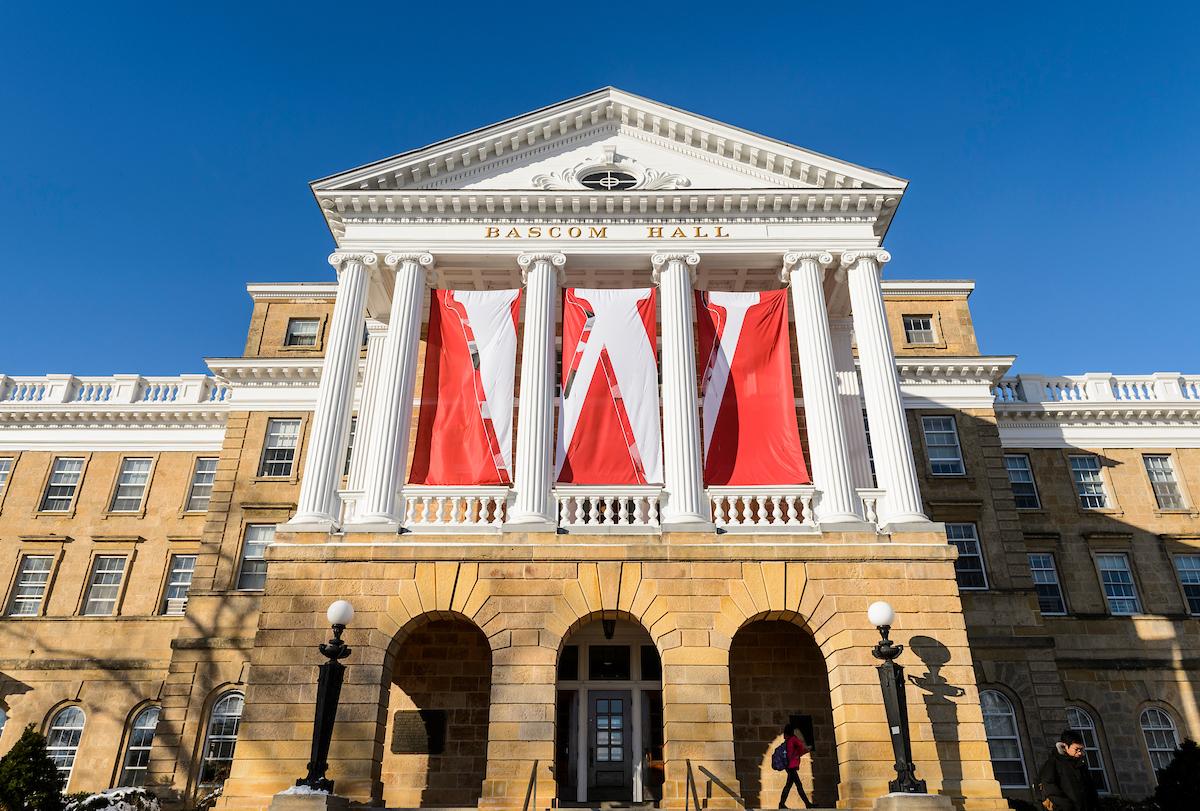
UW Raises Tuition Again: Is College Still Worth the Cost in Wisconsin?
For the fourth consecutive year, the Universities of Wisconsin system has approved another tuition increase.
The University of Wisconsin Board of Regents recently voted to raise resident undergraduate tuition by 2% for the 2026–27 academic year. The increase will bring annual in-state undergraduate tuition at UW–Madison to approximately $12,416, with additional student fees also increasing. University leaders argue that the increase is necessary to cover rising costs such as utilities, facility maintenance, employee salaries, and student services.
The increase is smaller than last year’s tuition hike and remains below the current inflation rate, according to university officials. Still, many Wisconsin families are asking a simple question:
At what point does college become too expensive?
The Rising Cost of Higher Education
For generations, a college degree was viewed as one of the safest investments a young person could make.
The formula seemed simple:
- Earn a degree
- Get a good job
- Build a stable career
- Pay off any student loans
While that path still works for many graduates, the economics of higher education have changed significantly.
Tuition, fees, housing, books, and living expenses have risen steadily over the past several decades. Even at public universities, many students graduate with substantial debt.
Meanwhile, some careers that require a four-year degree no longer guarantee the financial security they once did.
As costs continue to rise, families are increasingly asking whether the return on investment still justifies the price.
The Case for College
To be clear, college remains a valuable path for many students.
Professions such as:
- Engineering
- Nursing
- Medicine
- Accounting
- Education
- Computer Science
often require a degree and can provide strong long-term earning potential.
UW–Madison remains one of the top public research universities in the nation and continues to produce graduates who contribute to Wisconsin’s economy, healthcare system, businesses, and communities.
For students entering fields that require specialized education, college is often a worthwhile investment.
The problem is not that college lacks value.
The problem is that many students are told college is the only path to success.

The Skilled Trades Shortage
While universities continue raising tuition, Wisconsin employers are facing another challenge: a shortage of skilled trades workers.
Electricians, plumbers, HVAC technicians, welders, and construction professionals are in high demand throughout the state.
Many of these careers offer:
- Paid apprenticeships
- Minimal student debt
- Strong job security
- Competitive wages
- Opportunities to start a business

Unlike traditional college students, apprentices often earn income while they learn.
A young electrician may spend four years gaining experience, earning a paycheck, and building retirement savings while a traditional student is still paying tuition.
That does not make one path better than the other.
But it does suggest that students should carefully evaluate all options before committing to significant debt.
Is College Still Worth It?
The better question may be:
“Worth it for whom?”
A degree in engineering may provide a strong return on investment.
A nursing degree may lead to a stable and rewarding career.
Medical school may be worth the enormous commitment required.
But not every degree produces the same financial outcome.
Students should examine:
- Total cost of attendance
- Expected student debt
- Graduation rates
- Career opportunities
- Starting salaries
- Long-term earning potential
Higher education is too expensive to approach without a plan.
A Wisconsin Conversation Worth Having
The recent tuition increase is not likely to stop students from attending UW–Madison or other Universities of Wisconsin campuses.
However, it should encourage an important discussion.
For decades, Americans were told that success required a four-year college degree.
Today, the reality is more complex.
Wisconsin needs engineers, nurses, teachers, and researchers.
It also needs electricians, plumbers, mechanics, farmers, firefighters, paramedics, and skilled craftsmen.
The future will require both.
Final Thoughts
The latest tuition increase at UW–Madison may be modest compared to inflation, but it serves as another reminder that higher education comes with a significant cost.
College can still be one of the best investments a young person makes.
But it is no longer the only path to a successful and meaningful life.
Wisconsin’s students deserve honest information, realistic expectations, and the freedom to choose the path that best fits their talents, goals, and circumstances.
The question is not whether college is worth it.
The question is whether students are making informed decisions before signing the check.