
The Groundman Path: How Most Linemen Actually Get Started
Most people see the finished product — the bucket trucks, the storm crews, the six-figure paychecks, and the transmission lines stretching across the sky. What many people do not see is how most linemen actually begin their careers.
Before apprenticeships, before climbing poles, and before becoming a journeyman lineman, many workers start as groundmen. It is one of the most common entry points into linework and one of the fastest ways to learn whether you are truly built for this trade.
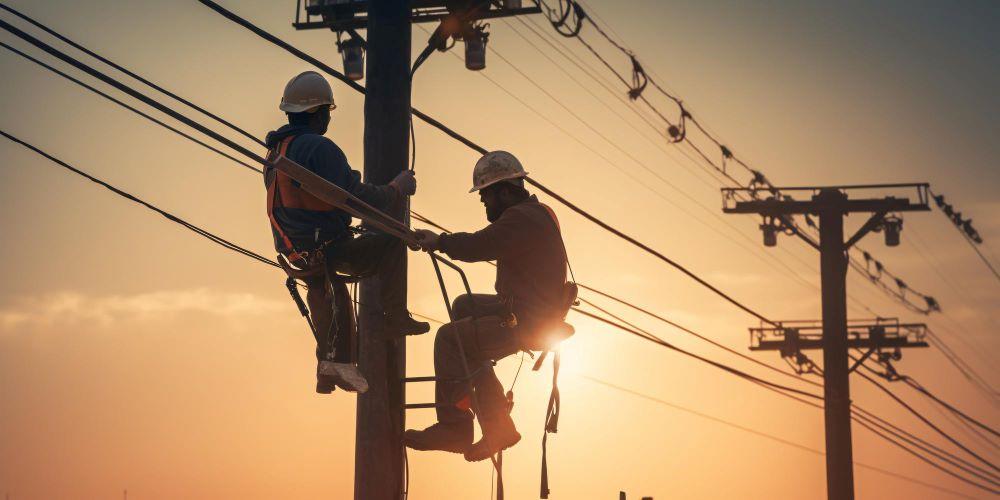
What Does a Groundman Actually Do?
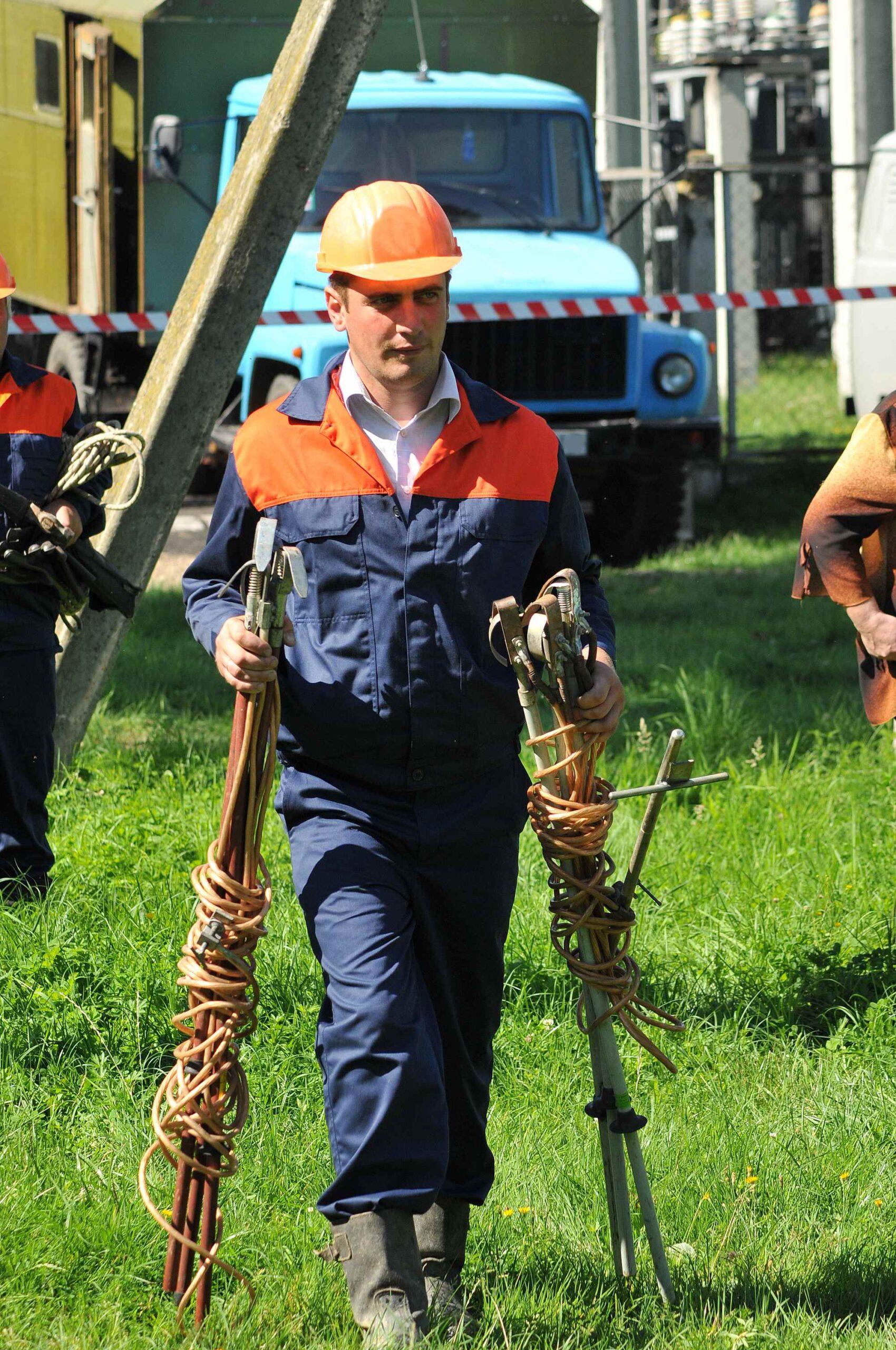
Groundmen are the support crew members who keep linework operations moving safely and efficiently. They work underneath the linemen and apprentices, handling materials, operating equipment, preparing job sites, managing tools, directing traffic, and supporting crews during construction and restoration work.
It is physically demanding work. Groundmen often spend long hours outdoors in heat, rain, snow, mud, and high winds. Some days involve digging, hauling equipment, organizing hardware, setting up ropes, cleaning job sites, or working around energized infrastructure.
The role may not sound glamorous, but experienced linemen know something important: strong groundmen become strong apprentices. This is where many workers build their reputation, work ethic, and understanding of how utility crews actually operate.
Typical Groundman Responsibilities
- Handling tools, wire, and utility materials
- Operating equipment and assisting truck setup
- Traffic control and jobsite safety support
- Learning utility hardware and terminology
- Supporting storm restoration crews
- Preparing poles and work areas
- Maintaining organization on active job sites
Why a CDL Matters in Linework
One of the biggest advantages a person can have entering linework is obtaining a Commercial Driver’s License (CDL). Utility companies and contractors rely heavily on workers who can safely operate large trucks, trailers, and equipment.
In many cases, having a CDL can dramatically improve your chances of landing a groundman position. Some companies require it before hiring, while others strongly prefer candidates who already possess one.
The reality is simple: crews need workers who can contribute immediately. If you already have a CDL, show up on time, and are willing to work hard, you immediately separate yourself from many applicants.
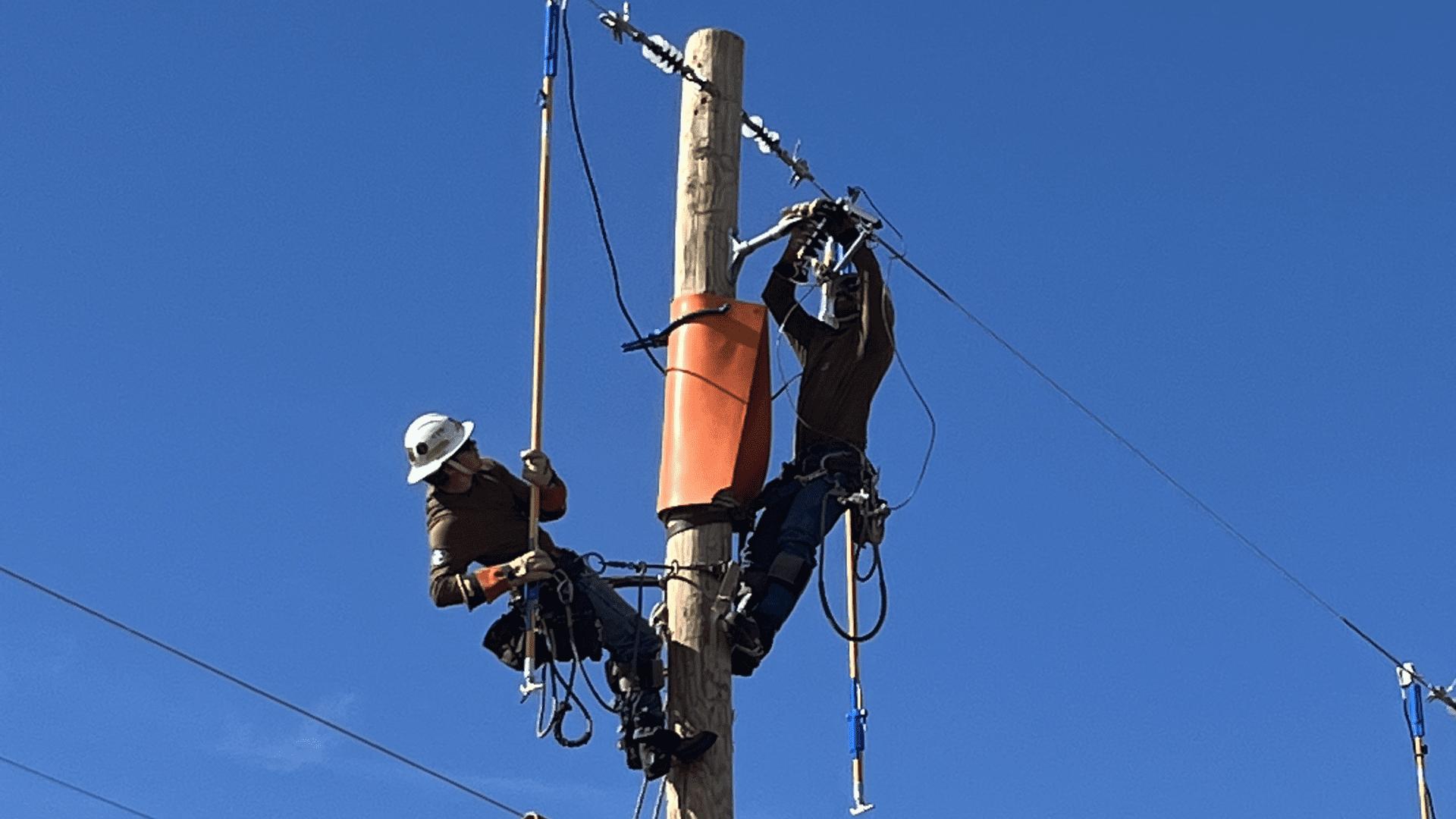
The Reality of Storm Work
Social media often shows dramatic storm restoration footage with flashing lights and crews rebuilding power grids after major outages. What those videos rarely show is the exhaustion, danger, and sacrifice behind the scenes.
Groundmen and line crews may work extremely long shifts during storms. Some crews travel across states for restoration work. Sleep schedules can disappear. Conditions may include freezing rain, mud, darkness, flooded areas, debris, and hazardous electrical environments.
This trade can provide excellent income and opportunities, but it comes with risk. Electrical linework is dangerous. Workers operate around energized systems, heavy equipment, heights, traffic, and unpredictable weather.
This Trade Is Not for Everyone
Many people are attracted to the paycheck or social media clips, but linework demands discipline, physical endurance, teamwork, and attention to safety. The crews that succeed are often the workers who stay humble, reliable, and mentally tough.
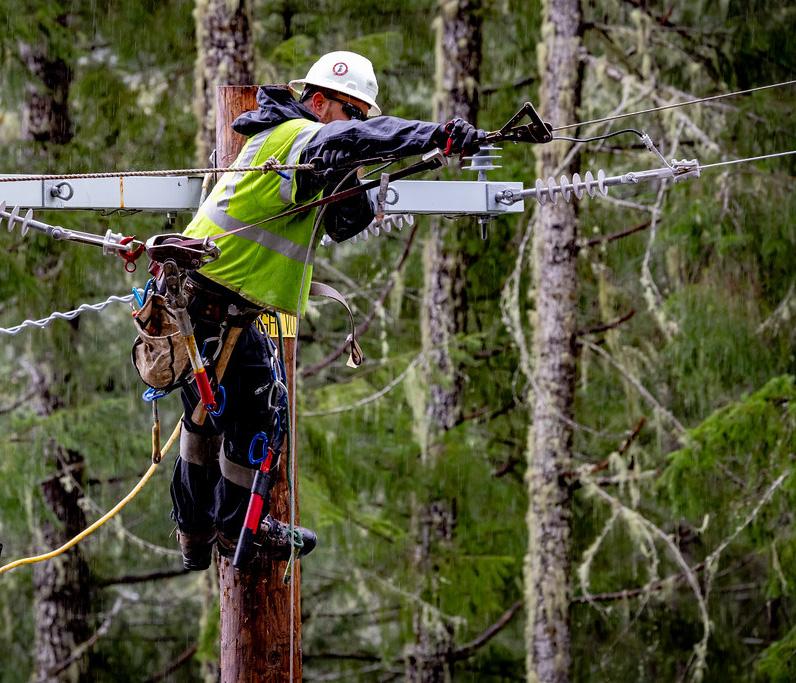
From Groundman to Apprenticeship
For many workers, the groundman role becomes the foundation for entering a formal lineman apprenticeship. During this stage, workers learn crew operations, safety culture, equipment handling, and how line construction projects actually function.
Companies and apprenticeship programs often notice workers who consistently show initiative, maintain a strong attitude, and stay dependable under difficult conditions. Reputation matters heavily in the trades.
The workers who advance are usually not the loudest people on the crew. They are often the ones who:
- Show up early
- Stay physically useful
- Listen and learn
- Take safety seriously
- Handle difficult conditions without complaining
- Earn trust over time
Every Journeyman Started Somewhere
Most linemen did not start at the top. Many started as groundmen — learning the trade from the bottom up, working long days, earning trust, and slowly building experience in one of the toughest trades in America.
If you are serious about entering linework, understanding the groundman path may be one of the most important first steps you can take.